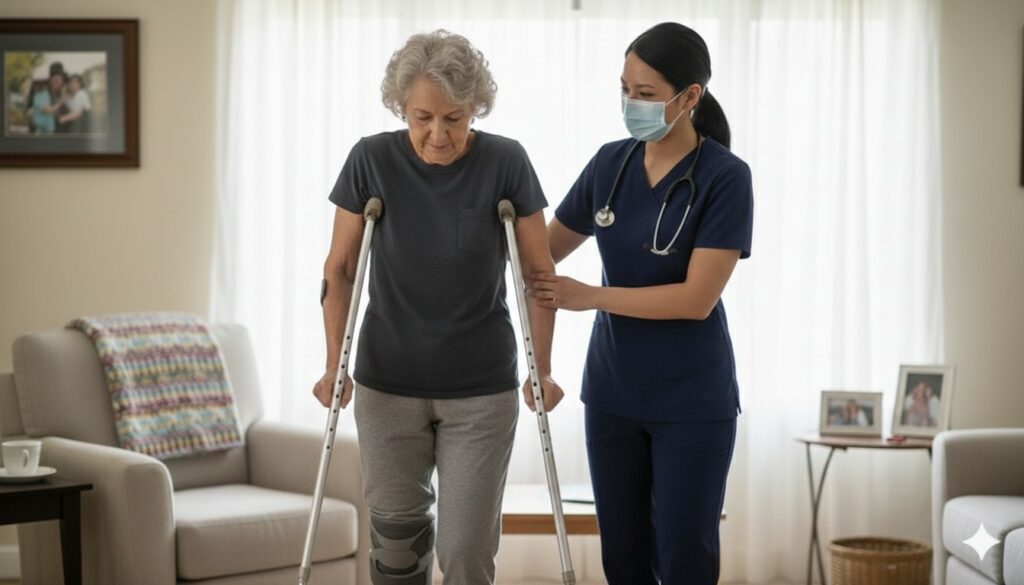
Introduction
A. The Growing Need for Home Healthcare in the UAE: A Modern Solution for Families
Are you struggling to find trustworthy, high-quality care for a loved one in the comfort of their home in the UAE?
For many families across the UAE, caring for elderly parents, recovering patients, or individuals with chronic illnesses can become a complex and emotionally demanding responsibility. Balancing work, family life, and healthcare needs often makes regular hospital visits difficult. At the same time, families want their loved ones to receive personalized, compassionate, and professional medical care in a safe and familiar environment.
The search for reliable home healthcare can quickly feel overwhelming. Families frequently face questions such as: Which services are available? Are providers licensed and trustworthy? What will it cost? Without clear guidance, navigating the healthcare system can lead to uncertainty and stress.
This comprehensive guide is designed to simplify the process. It provides a clear and practical roadmap to understanding home healthcare services in the UAE, including the types of care available, estimated costs, regulatory requirements, and how to choose the most reliable providers.
By the end of this guide, you will have the knowledge and confidence needed to make informed decisions for your loved one’s care. More importantly, you will gain peace of mind knowing that high-quality healthcare can be delivered safely and comfortably at home, allowing patients to recover and live with dignity while families remain supported throughout the journey.
B. What Is Home Healthcare? Defining Care in Comfort
Home healthcare refers to professional medical and supportive services delivered directly at a patient’s residence, allowing individuals to receive treatment, monitoring, and rehabilitation without needing to visit a hospital or clinic.
Unlike basic home assistance, modern home healthcare in the UAE covers a wide range of clinical, therapeutic, and personal care services delivered by qualified healthcare professionals. These services are designed to support recovery, manage chronic conditions, and improve overall quality of life.
Home healthcare services may include:
- Doctor consultations at home
- Skilled nursing care
- Physiotherapy and rehabilitation
- Post-surgery care
- Chronic disease management
- Elderly care and support
- Mother and newborn care
- Diagnostic tests and laboratory services at home
Over the past decade, the UAE healthcare system has experienced a significant shift toward patient-centered care, where convenience, comfort, and personalized treatment play a central role. Home healthcare has become an essential part of this transformation, enabling patients to receive hospital-level care while remaining in a familiar environment surrounded by family.
This approach not only enhances patient comfort but also contributes to faster recovery, reduced hospital stays, and improved overall wellbeing.
C. Why This Guide Is Essential for UAE Families
For many residents and expatriate families in the UAE, finding reliable home healthcare services can be challenging. The market includes numerous providers, each offering different services, pricing models, and levels of expertise. Without proper guidance, families may struggle to identify licensed and trustworthy healthcare professionals who meet their specific needs.
This guide addresses the most common concerns families face, including:
- How to identify reputable home healthcare providers
- What types of services are available at home
- Understanding costs and insurance coverage
- Navigating UAE healthcare regulations and licensing
- Ensuring patient safety, privacy, and quality care
By presenting clear explanations and practical insights, this guide empowers readers to make well-informed healthcare decisions with confidence.
The information provided is based on insights from healthcare professionals, medical consultants, and industry practices within the UAE healthcare sector. This expertise ensures that the guidance offered reflects real-world healthcare standards, patient needs, and regulatory frameworks specific to the UAE.
The Unmatched Benefits of Home-Based Care in the UAE
Home healthcare has rapidly become one of the most trusted and practical healthcare solutions for families in the UAE. As healthcare systems evolve and patient-centered care becomes a priority, more families are choosing home-based services to ensure their loved ones receive professional medical attention while remaining in a comfortable and familiar environment.
Below are the key benefits that make home healthcare an increasingly preferred option for patients and families across the UAE.
A. Comfort, Familiarity, and Emotional Well-being
Healing Environment
Recovering at home provides significant psychological and emotional benefits. Being surrounded by familiar spaces, personal belongings, and loved ones can create a sense of security that hospitals or care facilities often cannot replicate. This familiar environment helps reduce anxiety and supports faster recovery.
Reduced Stress
Hospital environments can sometimes feel overwhelming for patients, especially elderly individuals or those dealing with long-term health conditions. Home healthcare minimizes the stress associated with travel, waiting rooms, and unfamiliar clinical settings.
Maintaining Routine
At home, patients can maintain their daily routines, including meal preferences, sleeping schedules, and personal habits. This consistency helps patients feel more in control of their lives and supports overall emotional well-being.
B. Personalized and One-on-One Attention
Tailored Care Plans
One of the biggest advantages of home healthcare is the ability to design care plans based entirely on the patient’s unique medical condition, lifestyle, and recovery goals. Unlike hospitals where professionals manage multiple patients at once, home healthcare focuses exclusively on the individual.
Dedicated Caregivers
Patients benefit from consistent care provided by a dedicated nurse, caregiver, or therapist. This continuity helps build trust between the patient and caregiver, leading to better communication and improved health outcomes.
Flexible Care Adjustments
Home healthcare services are highly adaptable. As a patient’s condition changes, care plans can be adjusted quickly—whether that means increasing medical monitoring, adding physiotherapy sessions, or reducing services as recovery improves.
C. Reduced Risk of Infections and Enhanced Safety
Minimizing Exposure
Hospitals and healthcare facilities, while essential, can sometimes expose patients to hospital-acquired infections (HAIs). Receiving care at home significantly reduces this risk, particularly for patients with weakened immune systems.
Controlled Environment
A home environment allows caregivers to maintain a clean and controlled setting. Medical professionals can ensure that hygiene protocols are followed while keeping the surroundings comfortable for the patient.
Privacy and Dignity
Home healthcare allows patients to maintain their privacy and dignity during medical care. Treatments, personal assistance, and consultations are conducted in a private setting where patients feel respected and secure.
D. Cost-Effectiveness Compared to Hospital Stays
Economic Advantages
For patients requiring long-term care, extended hospital stays can become extremely expensive. Home healthcare often provides a more cost-effective alternative while still delivering professional medical services.
Efficient Use of Healthcare Resources
By shifting appropriate care from hospitals to homes, healthcare resources can be utilized more efficiently. Hospitals can focus on critical and emergency cases, while stable patients receive ongoing care in their own homes.
Value for Money
Families can customize home healthcare services according to their needs and budget. This flexibility allows them to prioritize essential services without unnecessary medical expenses.
E. Enhanced Family Involvement and Peace of Mind
Active Participation
Home healthcare enables family members to stay closely involved in the patient’s care. They can observe treatment progress, communicate with caregivers, and provide emotional support to their loved ones.
Clear Communication
With fewer intermediaries compared to hospitals, communication between patients, families, and healthcare providers becomes more direct and transparent. This clarity helps families stay informed about medical conditions, treatment plans, and progress.
Reduced Caregiver Burden
Family members often carry significant emotional and physical responsibility when caring for loved ones. Professional home healthcare services relieve this burden by providing trained medical support while allowing families to focus on emotional care.
Family Stories: Real-Life Experiences
Case Example 1 – Supporting an Elderly Parent
A family in Dubai struggled to balance work responsibilities while caring for their elderly father who required daily medical monitoring. By hiring a home nurse, the family ensured he received professional care while still remaining close to his loved ones. The arrangement improved his comfort and reduced stress for the entire household.
Case Example 2 – Post-Surgery Recovery at Home
After undergoing surgery, a patient in Abu Dhabi opted for physiotherapy and nursing support at home. With personalized care and family support, the patient experienced a smoother recovery compared to previous hospital-based rehabilitation.
These experiences highlight how home healthcare can transform the caregiving journey for families across the UAE.
F. Promoting Independence and Long-Term Well-being
Rehabilitation and Recovery
Home healthcare often includes physiotherapy and rehabilitation services that help patients regain mobility, strength, and independence after illness or surgery.
Chronic Condition Management
Patients living with conditions such as diabetes, heart disease, or respiratory illnesses benefit from consistent monitoring and medical guidance at home. Regular assessments allow healthcare providers to detect changes early and adjust treatment accordingly.
Preventative Care
A proactive home healthcare approach can prevent health complications and hospital readmissions. Regular monitoring, medication management, and early intervention help maintain stability and improve long-term health outcomes.
Preventative & Proactive Home Care Approach
Modern home healthcare is no longer just reactive—it is preventative. By monitoring vital signs, encouraging healthy habits, and providing timely medical attention, home care professionals help patients maintain better health and avoid emergency hospital visits.
G. Cultural Sensitivity and Respect in Home Settings
The UAE is home to a diverse population with varying cultural values and traditions. Effective home healthcare must respect these cultural differences to ensure patient comfort and trust.
Respecting Cultural Traditions
Professional caregivers are trained to respect cultural customs, religious practices, and family traditions when delivering care inside a patient’s home.
Language Compatibility
Many healthcare providers strive to match caregivers with patients who share the same language whenever possible. This improves communication and helps patients feel more comfortable during treatment.
Recognizing the Importance of Family
In many UAE households, healthcare decisions are made collectively by family members. Home healthcare supports this dynamic by encouraging family participation and ensuring that everyone involved understands the care plan.
Conclusion
Home-based healthcare in the UAE offers far more than medical convenience—it provides a compassionate, personalized, and culturally respectful approach to patient care. From emotional comfort and infection prevention to cost savings and family involvement, the benefits of home healthcare continue to transform how patients receive treatment and support.
As the demand for patient-centered healthcare grows across the UAE, home healthcare will remain an essential solution for families seeking safe, professional, and dignified care in the place that matters most—home.
Is Home Care Right for Your Loved One?
Home healthcare is not limited to a single type of patient. In the UAE, it supports a wide range of individuals—from elderly patients who wish to remain independent to those recovering from surgery or managing long-term health conditions. Understanding whether home care is suitable for your loved one begins with identifying their specific needs and the type of support required.
Below are some of the most common patient profiles that benefit from professional home healthcare services.
A. Elderly Care and Geriatric Support
Aging in Place
Many seniors prefer to remain in their own homes as they age rather than moving to assisted living facilities. Home healthcare allows elderly individuals to maintain independence while receiving professional support, enabling them to live safely and comfortably in familiar surroundings.
Common Conditions
Older adults often require care for conditions such as:
- Dementia or Alzheimer’s disease
- Limited mobility or fall risks
- Arthritis and chronic pain
- General age-related health decline
Typical Services
Home healthcare providers offer services specifically designed for seniors, including:
- Personal hygiene and daily living assistance
- Medication management and reminders
- Health monitoring
- Companionship and emotional support
This support helps seniors maintain dignity, independence, and a higher quality of life.
B. Post-Operative Recovery and Rehabilitation
Accelerated Healing
After surgery, recovering at home can significantly improve comfort and emotional well-being. A familiar environment reduces stress and allows patients to focus on healing.
Therapeutic Support
Many patients require rehabilitation services following surgical procedures. Home healthcare professionals can provide:
- Physiotherapy sessions
- Occupational therapy
- Mobility and strength training
These services help patients regain physical function and independence more quickly.
Medical Monitoring
Professional caregivers can also assist with:
- Wound care and dressing changes
- Monitoring vital signs
- Pain management
- Post-operative complication prevention
This ensures a safe and closely monitored recovery process.
C. Chronic Disease Management
Common Chronic Conditions
Patients living with long-term medical conditions often require ongoing care and monitoring. Home healthcare is particularly beneficial for managing conditions such as:
- Diabetes
- Hypertension
- Chronic obstructive pulmonary disease (COPD)
- Heart disease
Proactive Care
Healthcare professionals help patients manage these conditions by:
- Monitoring symptoms and vital signs
- Educating patients about lifestyle adjustments
- Ensuring proper medication adherence
Preventing Complications
Regular monitoring and early intervention can reduce complications and prevent unnecessary hospital visits, allowing patients to maintain stability and better health outcomes.
D. Palliative and End-of-Life Care
Comfort and Dignity
Palliative care focuses on improving quality of life for patients facing serious or life-limiting illnesses. Home healthcare allows patients to spend their final stages of life in a peaceful and familiar environment surrounded by loved ones.
Symptom Management
Medical professionals provide support for managing symptoms such as:
- Pain
- Breathing difficulties
- Fatigue
- Nausea and discomfort
Emotional and Psychological Support
Palliative home care also supports the emotional needs of both patients and their families, ensuring compassion, dignity, and comfort throughout the process.
E. Maternal and Child Home Care
Post-Natal Support
New mothers often benefit from professional support during the weeks following childbirth. Home healthcare providers assist with recovery and newborn care while ensuring both mother and baby remain healthy.
Pediatric Nursing
Children with complex medical needs may require specialized nursing care at home. Pediatric home healthcare services are designed to provide safe, gentle, and age-appropriate care.
Parent Education
Home care professionals can guide families on:
- Breastfeeding techniques
- Infant feeding schedules
- Newborn hygiene and care routines
- Monitoring infant health
This support helps parents feel more confident and supported during the early stages of childcare.
F. Disability Support and Long-Term Care
Accessible and Personalized Care
Individuals living with physical or intellectual disabilities often require long-term assistance tailored to their abilities and needs. Home healthcare ensures that care plans are designed to support independence while maintaining safety.
Assistance with Activities of Daily Living (ADLs)
Caregivers can assist with essential daily activities such as:
- Bathing and personal hygiene
- Dressing and grooming
- Meal preparation
- Mobility support
Equipment Management
Patients who rely on medical equipment—such as mobility aids or monitoring devices—can receive professional guidance and training to ensure safe and effective use.
G. Specialized Medical Needs
Advanced Medical Procedures at Home
Some patients require complex medical treatments that can now be safely delivered at home by qualified healthcare professionals.
These services may include:
- Ventilator care
- Intravenous (IV) therapy
- Advanced wound management
- Catheter care and monitoring
Highly Trained Nurses
Home healthcare agencies often employ nurses with specialized clinical training to handle these advanced medical requirements safely and effectively.
H. Respite Care for Family Caregivers
Temporary Relief for Families
Family members often serve as the primary caregivers for loved ones with medical conditions. While this role is rewarding, it can also be physically and emotionally demanding.
Respite care allows professional caregivers to step in temporarily so family members can rest, attend to personal responsibilities, or simply recharge.
Preventing Caregiver Burnout
By sharing caregiving responsibilities with trained professionals, families can reduce stress and maintain their own well-being while ensuring their loved one continues to receive high-quality care.
Conclusion
Home healthcare is a flexible and compassionate solution designed to meet the diverse medical and personal needs of patients across the UAE. Whether supporting elderly individuals, helping patients recover from surgery, managing chronic illnesses, or providing specialized care, home-based services offer a practical alternative to traditional hospital care.
For many families, the decision to choose home healthcare is ultimately about ensuring comfort, dignity, and professional medical support for their loved ones—right where they feel safest: at home.Navigating the Spectrum of Home Healthcare Services in the UAE
Home healthcare in the UAE has evolved into a comprehensive system that delivers a wide range of medical and supportive services directly to patients’ homes. From skilled clinical treatments to everyday personal assistance, home healthcare providers offer tailored solutions designed to improve patient comfort, recovery, and overall quality of life.
Understanding the different types of services available can help families choose the right level of care for their loved ones.
A. Skilled Nursing Services
Skilled nursing care forms the clinical foundation of home healthcare. These services are delivered by licensed nurses trained to handle complex medical conditions and treatments.
Advanced Wound Care
Patients recovering from surgery, injuries, or chronic wounds require specialized care. Skilled nurses provide:
- Advanced wound dressing and cleaning
- Infection prevention and monitoring
- Pressure ulcer (bed sore) management
- Surgical wound care
Medication Management
Proper medication administration is essential for patient safety. Nurses assist with:
- Administering prescribed medications
- Monitoring side effects or reactions
- Educating patients and families about medication schedules
Post-Surgical Care
Patients recovering after surgery often require close observation. Home nurses can monitor:
- Surgical recovery progress
- Drain and catheter management
- Pain control and symptom monitoring
Chronic Disease Monitoring
For patients with long-term conditions, nurses track key health indicators such as:
- Blood pressure
- Blood sugar levels
- Oxygen saturation
- Heart rate and overall health status
Injections and IV Therapy
Certain treatments require intravenous medication or injections. Skilled nurses can safely administer:
- IV fluids and antibiotics
- Vitamin injections
- Pain management injections
B. Physiotherapy and Occupational Therapy
Rehabilitation plays a vital role in helping patients regain independence after injury, illness, or surgery.
Mobility Enhancement
Physiotherapists design personalized exercise programs to help patients improve:
- Strength and flexibility
- Balance and coordination
- Walking ability and mobility
Activities of Daily Living (ADLs)
Occupational therapists focus on helping patients perform everyday tasks independently, such as:
- Dressing and grooming
- Cooking or meal preparation
- Household activities
Home Modifications
Therapists may recommend adjustments to the home environment, such as:
- Installing handrails
- Improving accessibility for wheelchairs
- Removing fall hazards
These changes enhance safety and independence for patients.
C. Speech and Language Therapy
Speech therapy services are essential for patients who experience communication or swallowing difficulties.
Communication Disorders
Speech therapists work with patients who have:
- Stroke-related speech impairment
- Neurological disorders
- Developmental speech delays
Therapy focuses on improving language skills, pronunciation, and communication confidence.
Swallowing Difficulties
Some medical conditions cause dysphagia, or difficulty swallowing. Speech therapists help patients learn techniques that improve swallowing and reduce the risk of choking or aspiration.
D. Medical Equipment Rental and Management
Home healthcare often requires specialized medical equipment to ensure patient safety and comfort.
Providing Essential Equipment
Commonly provided medical equipment includes:
- Hospital beds
- Wheelchairs and mobility aids
- Oxygen concentrators
- Patient lifts
Setup and Maintenance
Healthcare professionals ensure that equipment is properly installed and functioning safely.
Family Training
Families are trained on how to safely use and manage equipment, helping them support patient care effectively.
E. Personal Care and Activities of Daily Living (ADLs)
Personal care services support individuals who need assistance with daily activities but may not require advanced medical treatment.
Bathing and Grooming
Caregivers assist patients with hygiene routines, including:
- Bathing or showering
- Hair care and grooming
- Oral hygiene
Dressing and Feeding
Patients who struggle with physical limitations can receive help with:
- Getting dressed
- Preparing and eating meals
Mobility Assistance
Caregivers also help with:
- Safe transfers between beds and chairs
- Walking support
- Preventing falls and injuries
F. Companion Care and Emotional Support
Beyond medical needs, emotional well-being is equally important.
Social Engagement
Companion caregivers help prevent loneliness and isolation by:
- Engaging in conversations
- Participating in hobbies or activities
- Providing emotional companionship
Light Housekeeping
To maintain a comfortable environment, caregivers may assist with:
- Basic household tasks
- Laundry and tidying
- Meal preparation
Errands and Appointments
Caregivers may also help patients manage daily responsibilities such as:
- Grocery shopping
- Medication pickups
- Attending medical appointments
G. Palliative Care at Home
Palliative care focuses on improving the quality of life for patients with serious or life-limiting illnesses.
Holistic Care Approach
Home palliative care addresses multiple aspects of patient well-being, including:
- Physical comfort
- Emotional and psychological support
- Spiritual care when appropriate
Pain and Symptom Management
Healthcare professionals manage symptoms such as pain, fatigue, breathing difficulty, and nausea to maximize patient comfort.
Family Support
Families also receive counseling and emotional support during difficult periods, including guidance during end-of-life care.
H. Specialized Pediatric Home Care
Children with complex medical conditions often require specialized healthcare services at home.
Complex Medical Needs
Pediatric home nurses are trained to manage conditions requiring continuous monitoring and specialized care.
Developmental Support
Home therapy programs may include:
- Developmental monitoring
- Early intervention therapies
- Specialized rehabilitation programs
These services support both the child’s medical and developmental needs.
I. Telehealth and Remote Monitoring Integration
Integrating Technology into UAE Home Healthcare
The UAE is at the forefront of healthcare innovation, and technology is playing a growing role in home healthcare services.
Virtual Consultations
Patients can now consult doctors and healthcare specialists through secure video consultations without leaving their homes.
Remote Monitoring Devices
Advanced monitoring devices allow healthcare professionals to track patient health remotely, including:
- Blood pressure monitoring
- Blood glucose tracking
- Heart rate and oxygen level monitoring
Benefits of Technology Integration
Technology-driven home healthcare offers several advantages:
- Continuous health monitoring
- Early detection of medical issues
- Reduced hospital visits
- Greater convenience for patients and families
These innovations are helping transform home healthcare into a smarter and more proactive medical solution.
J. Comparative Service Breakdown
Different home healthcare services address different patient needs. The table below provides a simple comparison to help families understand which services may be most suitable.
| Service Type | Primary Purpose | Who Needs It | Typical Services Included |
| Skilled Nursing | Clinical medical care | Post-surgery patients, chronic illness patients | Medication administration, wound care, IV therapy |
| Physiotherapy & Rehabilitation | Physical recovery and mobility improvement | Injury recovery, stroke patients, elderly individuals | Exercise therapy, mobility training, rehabilitation |
| Personal Care & ADLs | Daily living assistance | Elderly individuals, disability support patients | Bathing, dressing, feeding, mobility assistance |
| Companion Care | Emotional and social support | Seniors living alone or recovering patients | Social interaction, light housekeeping, errands |
This comparison helps families identify the level of care their loved ones may require and determine which type of home healthcare service is most appropriate.
Conclusion
Home healthcare in the UAE offers a comprehensive range of services designed to support patients with varying medical and personal needs. From skilled nursing and rehabilitation therapies to companionship and advanced medical monitoring, these services ensure that patients receive professional, compassionate, and personalized care without leaving the comfort of home.
By understanding the full spectrum of services available, families can make better-informed decisions and select the right care solutions that promote health, independence, and long-term well-being.
Choosing with Confidence: Your Guide to Reputable Home Healthcare Providers in the UAE
Selecting a home healthcare provider for a loved one is an important decision that requires careful consideration. In the UAE, the healthcare sector is highly regulated to ensure patient safety, quality care, and professional standards. However, families must still take proactive steps to verify providers, understand service agreements, and ensure caregivers are qualified.
This guide will help you confidently evaluate home healthcare providers and choose one that meets the highest standards of safety, professionalism, and compassion.
A. Accreditation and Licensing Verification
Understanding UAE Healthcare Regulatory Authorities
Home healthcare providers in the UAE must operate under strict regulations enforced by official health authorities such as:
- Ministry of Health and Prevention (MOHAP) – Governs healthcare services across the UAE at the federal level.
- Dubai Health Authority (DHA) – Regulates healthcare providers within Dubai.
- Department of Health – Abu Dhabi (DOH) – Oversees healthcare licensing and compliance in Abu Dhabi.
These authorities ensure that healthcare providers meet strict professional, ethical, and safety standards.
How to Verify a Provider’s License
Follow these steps to confirm a home healthcare provider’s legitimacy:
- Ask the provider for their official healthcare license number.
- Visit the relevant regulatory authority’s website.
- Use the provider verification or facility search tool.
- Confirm that the license is active and valid.
- Verify that services listed match what the provider offers.
Expert Tip: Verify All Credentials
Always request documentation that confirms the provider’s license, certifications, and caregiver qualifications. Verifying these details through official UAE health authorities helps protect patients from unlicensed or unqualified providers.
B. Staff Qualifications and Experience
Professional Background
Home healthcare professionals should have appropriate education and professional credentials, such as:
- Licensed registered nurses
- Certified caregivers
- Licensed physiotherapists and therapists
Qualified staff ensure patients receive safe and competent medical care.
Specialized Training
Some patients require specialized care. Ensure caregivers have training in areas such as:
- Dementia care
- Palliative and hospice care
- Pediatric nursing
- Chronic disease management
Background Checks
Reputable agencies conduct thorough background checks, including:
- Employment verification
- Criminal record checks
- Professional credential verification
Staff-to-Patient Ratios
Care quality can depend on how many patients a caregiver manages. Agencies that assign dedicated caregivers or small care teams typically provide better continuity and attention.
C. Comprehensive Care Planning and Assessment
Initial In-Home Assessment
Professional providers begin with a detailed home evaluation that assesses:
- The patient’s medical condition
- Mobility and safety needs
- Medication requirements
- The home environment
This evaluation helps determine the most appropriate care approach.
Personalized Care Plans
Based on the assessment, the provider develops a customized care plan that outlines:
- Required services
- Care schedules
- Medical monitoring needs
- Recovery or health goals
Patient and Family Involvement
Families should actively participate in care planning. Transparent discussions help ensure the care plan aligns with the patient’s needs, preferences, and lifestyle.
Expert Tip: Insist on a Comprehensive Home Assessment
A thorough in-home evaluation ensures the care plan truly reflects the patient’s health needs and living environment. Avoid providers who skip or rush this step.
D. Service Agreements and Transparency
Contract Review
Before committing to a provider, carefully review the service agreement. Key details should include:
- Services provided
- Duration of care
- Pricing structure
- Caregiver responsibilities
Cancellation Policies
Understand the provider’s cancellation and termination policies, including notice periods and refund terms.
Emergency Protocols
A reliable provider should clearly explain how they respond to emergencies, including:
- Medical crises
- Caregiver absence
- Hospital referrals
Expert Tip: Thoroughly Review Service Agreements
Always read the service contract carefully and request clarification on anything unclear before signing.
E. Patient Rights and Advocacy
Understanding Your Rights
Patients in the UAE healthcare system have the right to:
- Respectful and dignified treatment
- Confidential medical information
- Clear communication about care plans
- Safe and professional healthcare services
Complaint Procedures
Reputable home healthcare providers should have clear processes for addressing complaints or concerns.
If issues arise, families can escalate concerns to the relevant UAE healthcare authority.
Advocating for Quality Care
Families should feel empowered to ask questions, request improvements, or change caregivers if care standards are not met.
Expert Tip: Know Your Patient Rights
Being informed about patient rights ensures families can confidently advocate for high-quality and ethical care.
F. Red Flags to Watch For
When evaluating providers, watch for warning signs that may indicate poor service quality.
Common red flags include:
- Lack of transparent pricing
- Refusal to provide licensing information
- Poor communication or delayed responses
- Unqualified or inexperienced staff
- Consistent negative reviews from clients
If any of these issues appear, consider exploring alternative providers.
G. Key Factors for Choosing a Home Healthcare Provider
Below is a clear comparison of the most important factors families should evaluate when selecting a home healthcare provider.
| Factor | What to Look For | Why it Matters |
| Licensing & Accreditation | Valid license from MOHAP, DHA, or DOH; international accreditations such as JCI or CARF | Ensures the provider operates legally and follows national healthcare standards |
| Staff Qualifications | Registered nurses, licensed therapists, certified caregivers with ongoing training | Guarantees professional and competent care |
| Experience & Reputation | Years of service, positive reviews, strong local references | Demonstrates reliability and consistent care quality |
| Range of Services | Comprehensive services including nursing, therapy, personal care, and palliative support | Prevents service gaps and simplifies care coordination |
| Care Plan Customization | Detailed in-home assessment and personalized care planning | Ensures care matches the patient’s specific needs |
| Communication Protocols | Regular updates, dedicated contact person, clear communication channels | Builds trust and keeps families informed |
| Emergency Procedures | Staff trained in emergency response and clear crisis protocols | Provides safety and rapid response during medical emergencies |
| Cost Transparency | Detailed pricing breakdown and clear billing policies | Prevents hidden fees and financial surprises |
| Cultural Sensitivity | Caregivers trained in cultural awareness and respect for traditions | Ensures comfortable and respectful care in UAE households |
| Patient Rights Policy | Documented patient rights and complaint procedures | Protects patients and ensures ethical accountability |
H. Interactive Care Needs Assessment Quiz
To help families better understand their needs, many healthcare websites now integrate simple assessment tools.
Example Care Needs Quiz Questions
A short quiz could ask users questions such as:
- What type of care does your loved one require?
- Medical care
- Personal care
- Rehabilitation
- Companionship
- How frequently is care needed?
- A few hours per week
- Daily support
- 24/7 care
- Does the patient require specialized medical treatment?
- What is the estimated monthly care budget?
Purpose of the Quiz
The quiz can guide users toward:
- Appropriate service types
- Relevant care solutions
- Providers that meet their specific requirements
At the end of the quiz, users could be directed to suitable home healthcare services or encouraged to schedule a professional consultation.
Final Thoughts
Choosing the right home healthcare provider in the UAE requires careful research, attention to regulatory compliance, and a clear understanding of patient needs. By verifying licenses, reviewing staff qualifications, evaluating service transparency, and understanding patient rights, families can confidently select a provider that delivers safe, professional, and compassionate care.
A trusted home healthcare provider not only supports medical recovery but also ensures comfort, dignity, and peace of mind for both patients and their families.
Understanding the Financials: Costs, Insurance, and Payment Options in UAE Home Care
When considering home healthcare services in the UAE, understanding the financial aspects is just as important as selecting the right provider. Costs can vary widely depending on the type of care, the qualifications of the caregiver, and the duration of services required. Fortunately, many insurance plans and flexible payment options can help families manage these expenses effectively.
This section provides a clear overview of pricing structures, insurance coverage, and payment solutions to help families make informed financial decisions.
A. Typical Pricing Models for Home Healthcare Services in the UAE
Home healthcare providers in the UAE generally follow several standard pricing models depending on the type and duration of care required.
Hourly Rates
Hourly pricing is one of the most common models, particularly for services such as:
- Personal care assistance
- Companionship services
- Basic nursing support
- Physiotherapy sessions
Families can schedule caregivers for a few hours per day or week based on their needs.
Package Deals
Many providers offer care packages designed for patients requiring ongoing support. These packages may include:
- Weekly or monthly care plans
- Post-surgical recovery packages
- Chronic disease management programs
- Rehabilitation service bundles
Package pricing can often reduce overall costs compared to hourly services.
Specialized Medical Services
Advanced medical procedures typically come with higher rates because they require highly trained professionals.
Examples include:
- IV therapy
- Ventilator care
- Complex wound management
- Specialized pediatric nursing
These services are typically performed by licensed nurses or specialists.
B. Factors Influencing Home Healthcare Costs
Several key factors influence the cost of home healthcare services in the UAE.
Type of Service
Medical services provided by licensed professionals generally cost more than non-medical assistance such as companionship or personal care.
Duration of Care
Costs depend heavily on how long care is needed:
- Short-term care (post-surgery recovery)
- Long-term chronic disease support
- 24-hour live-in care
Caregiver Qualifications
Rates can vary depending on the caregiver’s training level, such as:
- Registered nurses
- Licensed therapists
- Certified caregivers
Specialized expertise usually increases service costs.
Geographic Location
Although the UAE maintains relatively consistent healthcare pricing standards, small cost variations may occur between different emirates such as Dubai, Abu Dhabi, and Sharjah.
Time of Service
Care during evenings, weekends, or public holidays may involve premium rates due to staffing requirements.
C. Navigating Health Insurance Coverage in the UAE
Health insurance can significantly reduce out-of-pocket expenses for home healthcare services. However, coverage depends on the specific insurance policy.
Understanding Your Insurance Policy
Patients should carefully review their insurance plan to determine whether home healthcare services are covered. Coverage often includes:
- Skilled nursing visits
- Physiotherapy sessions
- Post-hospital recovery care
Some policies may require a doctor’s referral or prior authorization.
Direct Billing
Many reputable home healthcare providers offer direct billing arrangements with insurance companies. This means the provider submits claims directly to the insurer, reducing upfront payments for families.
Reimbursement Process
If direct billing is not available, patients may need to pay for services upfront and submit reimbursement claims to their insurance provider.
Required documentation typically includes:
- Medical prescriptions or referrals
- Service invoices
- Insurance claim forms
Expert Tip: Confirm Insurance Coverage
Before starting services, always confirm with both the healthcare provider and your insurance company exactly which services are covered and what portion of the cost you may need to pay.
Major Health Insurance Providers in the UAE
Some of the leading health insurance providers operating in the UAE include:
- Daman Health Insurance
- AXA Gulf Insurance
- Bupa Global
- Oman Insurance Company
Each insurer offers different levels of coverage, so reviewing policy details is essential.
D. Self-Pay Options and Payment Plans
For services not covered by insurance, many families choose self-payment options.
Direct Payment Methods
Home healthcare providers typically accept several payment methods, including:
- Cash payments
- Credit or debit cards
- Bank transfers
Some providers also offer digital payment options for convenience.
Flexible Payment Plans
For long-term care arrangements, some agencies allow families to set up structured payment plans. These plans may include:
- Monthly installment payments
- Discounted long-term service packages
- Customized payment schedules
Negotiating payment plans with providers can make ongoing care more financially manageable.
Potential Government Support
Although most home healthcare services are privately funded in the UAE, certain government-supported programs may exist for specific groups, including:
- UAE nationals with qualifying medical conditions
- Elderly citizens requiring long-term care
Eligibility requirements vary depending on the emirate and healthcare authority.
E. Transparent Cost Analysis for Home Healthcare Services
One of the most common concerns families have is understanding how much home healthcare services typically cost. While prices vary between providers, the table below outlines general estimated ranges within the UAE market.
| Service Type | Typical Cost Range (AED) | Description |
| Personal Care Assistance (4 hours) | 250 – 500 AED | Basic support with daily activities such as bathing, dressing, and mobility |
| Skilled Nursing Visit | 350 – 700 AED per visit | Includes medical monitoring, medication administration, and wound care |
| Physiotherapy Session | 300 – 600 AED per session | Rehabilitation exercises and mobility therapy |
| 24-Hour Live-In Care | 18,000 – 30,000 AED per month | Continuous care provided by a dedicated caregiver or nurse |
| Post-Surgery Care Package | 2,000 – 6,000 AED per week | Includes nursing visits, monitoring, and rehabilitation support |
Sample Scenario Cost Breakdown
Example: Post-Surgery Recovery at Home
| Service | Frequency | Estimated Monthly Cost |
| Skilled Nursing Visits | 3 times per week | 3,600 – 6,000 AED |
| Physiotherapy | 2 sessions per week | 2,400 – 4,800 AED |
| Personal Care Assistance | 4 hours daily | 6,000 – 10,000 AED |
Estimated Total Monthly Cost:
Approximately 12,000 – 20,000 AED, depending on provider rates and service complexity.
Final Thoughts
Understanding the financial aspects of home healthcare in the UAE helps families plan effectively and avoid unexpected expenses. By exploring pricing models, verifying insurance coverage, and considering flexible payment options, families can create a care plan that balances both medical needs and financial sustainability.
With careful planning and transparent communication with providers, home healthcare can become a practical, cost-effective solution that delivers high-quality medical care in the comfort of home.
The Regulatory Landscape: Ensuring Quality and Compliance in UAE Home Care
Home healthcare in the UAE operates under a strict regulatory framework designed to protect patients, maintain high medical standards, and ensure that healthcare providers deliver safe and ethical care. Understanding these regulations helps families choose legitimate providers and ensures that their loved ones receive professional, legally compliant healthcare services.
This section explains how UAE healthcare authorities regulate home healthcare services, the licensing requirements for providers, and how patients can verify compliance.
A. Role of Key Government Health Authorities
Healthcare services in the UAE are regulated by several government authorities responsible for licensing, monitoring, and enforcing healthcare standards. These organizations ensure that home healthcare providers meet national medical guidelines and patient safety regulations.
National and Emirate-Level Regulatory Bodies
The main regulatory authorities overseeing healthcare services include:
- Ministry of Health and Prevention (MOHAP)
- Dubai Health Authority (DHA)
- Department of Health – Abu Dhabi (DOH)
Each authority plays a specific role within the UAE healthcare system.
Ministry of Health and Prevention (MOHAP)
MOHAP oversees federal healthcare regulations and policies across the UAE. Its responsibilities include:
- Establishing national healthcare standards
- Licensing healthcare facilities in northern emirates
- Regulating medical professionals and institutions
- Monitoring healthcare quality and safety compliance
Dubai Health Authority (DHA)
DHA is responsible for regulating healthcare services in Dubai. Its role includes:
- Licensing home healthcare agencies operating in Dubai
- Certifying healthcare professionals
- Conducting facility inspections
- Enforcing healthcare quality standards
Department of Health – Abu Dhabi (DOH)
DOH regulates healthcare services in Abu Dhabi and ensures that providers meet strict quality standards. Key responsibilities include:
- Licensing healthcare facilities and professionals
- Implementing healthcare regulations and policies
- Monitoring clinical quality and patient safety
- Investigating complaints and enforcing compliance
Families seeking reliable information about healthcare regulations can consult the official portals of these authorities for provider verification and licensing details.
B. Licensing Requirements for Providers and Professionals
In the UAE, both home healthcare agencies and individual healthcare professionals must obtain official licenses before providing services.
Agency Licensing Requirements
Home healthcare providers must obtain licenses from the relevant health authority based on the emirate where they operate. Licensing requirements generally include:
- Proof of qualified medical staff
- Compliance with healthcare facility standards
- Approved medical equipment and infrastructure
- Clear patient safety protocols
Providers must also demonstrate compliance with UAE healthcare regulations before receiving operational approval.
Individual Practitioner Licenses
Healthcare professionals working in home care must hold valid licenses issued by the relevant authority. This applies to:
- Registered nurses
- Physiotherapists
- Occupational therapists
- Speech therapists
- Care assistants and technicians
Licensing ensures that professionals meet strict educational, training, and competency standards before practicing in the UAE.
Continuous Compliance Requirements
Licensing is not a one-time process. Healthcare providers must maintain compliance through:
- Periodic license renewals
- Continuing medical education (CME) programs
- Updated clinical training
- Regular regulatory inspections
Failure to meet these requirements may result in penalties, suspension, or revocation of licenses.
C. Ensuring Quality Standards and Patient Safety
UAE healthcare authorities enforce strict quality standards to ensure safe and effective home healthcare services.
Regular Inspections and Monitoring
Licensed home healthcare providers are subject to regular inspections by regulatory authorities. These inspections evaluate:
- Care quality and clinical practices
- Hygiene and infection control measures
- Staff qualifications and training
- Compliance with healthcare regulations
Inspections help ensure providers maintain consistent healthcare standards.
Complaint and Reporting Mechanisms
Patients and families who experience concerns about home healthcare services have the right to report issues through official complaint channels.
Complaints may relate to:
- Poor quality care
- Professional misconduct
- Safety violations
- Licensing concerns
Authorities investigate complaints and may impose corrective measures if necessary.
Evidence-Based Medical Practices
Home healthcare providers in the UAE are expected to follow evidence-based medical practices, which means treatments and procedures should be supported by reputable clinical research and internationally recognized healthcare guidelines.
Examples include:
- Evidence-based wound care protocols
- Standardized physiotherapy rehabilitation programs
- Clinical guidelines for chronic disease management
Following evidence-based practices ensures patients receive care aligned with modern medical standards.
D. Regulatory Compliance Checklist for Home Healthcare Providers
Families can use the following checklist to verify whether a home healthcare provider meets UAE regulatory requirements.
Home Healthcare Provider Verification Checklist
| Verification Item | What to Check | Why It Matters |
| Provider License | Confirm valid license issued by MOHAP, DHA, or DOH | Ensures the provider operates legally in the UAE |
| Staff Credentials | Verify qualifications and professional licenses of nurses and therapists | Guarantees caregivers are trained and certified |
| Insurance Coverage | Check whether the provider works with major health insurance companies | Helps reduce out-of-pocket costs |
| Safety Protocols | Ask about infection control and emergency procedures | Ensures patient safety and preparedness |
| Care Plan Process | Confirm the provider conducts an in-home assessment before starting care | Allows customized care plans tailored to patient needs |
| Inspection History | Ask about regulatory inspections and compliance records | Indicates reliability and adherence to healthcare standards |
| Complaint Procedures | Ensure the provider has a clear complaint handling process | Protects patient rights and promotes accountability |
Downloadable Checklist Recommendation
For additional convenience, healthcare websites can provide this checklist as a downloadable PDF guide that families can use when evaluating potential home healthcare providers.
Such resources help patients and caregivers make confident, well-informed decisions while ensuring compliance with UAE healthcare regulations.
Final Thoughts
The UAE’s regulatory framework ensures that home healthcare services maintain high standards of professionalism, safety, and quality. By understanding the roles of regulatory authorities, verifying licenses, and reviewing provider compliance, families can confidently select trustworthy healthcare providers.
These safeguards help ensure that patients receiving care at home benefit from the same level of professional medical oversight and protection found in hospitals and healthcare facilities across the UAE.
Your Home Care Journey: A Step-by-Step Guide to Arranging Services in the UAE
Arranging home healthcare for a loved one can feel overwhelming—especially when you’re navigating medical needs, emotional concerns, and practical logistics at the same time. In the UAE, home care services are designed to provide safe, professional, and compassionate care directly in the comfort of your home or hotel. Understanding the process can make the experience smoother and help families make confident decisions.
Below is a clear, step-by-step guide to help you understand how home healthcare services are typically arranged in the UAE.
A. Initial Consultation and Needs Assessment
First Contact with a Home Healthcare Provider
The process usually begins when a patient or family member contacts a licensed home healthcare provider. This can be done through:
- Phone consultation
- Online appointment booking
- Referral from a hospital or physician
During this first conversation, the provider gathers basic information about the patient’s condition and immediate care needs.
In-Depth Medical and Lifestyle Evaluation
A qualified healthcare professional—often a registered nurse or care coordinator—will conduct a comprehensive assessment that may include:
- Review of the patient’s medical history and diagnosis
- Current medications and treatments
- Mobility limitations or rehabilitation needs
- Safety and accessibility of the home environment
- Emotional and psychological well-being
- Family support system and caregiving availability
This evaluation ensures the provider fully understands the patient’s situation before recommending services.
Defining Care Goals
Families and healthcare professionals discuss expectations and priorities such as:
- Recovery after surgery
- Managing chronic illness
- Elderly support and mobility assistance
- Pediatric care requirements
Clearly defining these goals ensures the care plan aligns with the patient’s medical and personal needs.
B. Developing a Personalized Care Plan
A Collaborative Care Approach
Once the assessment is completed, healthcare professionals create a personalized care plan tailored specifically to the patient. This plan is developed collaboratively between:
- Doctors and nurses
- Therapists (if needed)
- The patient
- Family members or caregivers
This teamwork ensures every aspect of the patient’s health is considered.
Setting Short-Term and Long-Term Objectives
Care plans typically include measurable goals such as:
- Improving mobility after injury
- Managing blood sugar or blood pressure
- Supporting recovery after surgery
- Maintaining independence in daily activities
These goals help track progress and guide the care team.
Defining Services and Responsibilities
The care plan clearly outlines:
- What services will be provided
- Which healthcare professional will perform them
- How frequently visits will occur
Examples may include:
- Skilled nursing visits
- Physiotherapy sessions
- Medication administration
- Personal care assistance
Expert Tip:
Whenever possible, involve the patient in discussions about their care plan. Patient participation promotes independence, comfort, and stronger cooperation during treatment.
C. Care Plan Implementation and Scheduling
Matching the Right Caregiver
Reputable providers carefully select healthcare professionals based on:
- Clinical expertise and licensing
- Experience with specific conditions
- Language compatibility
- Cultural sensitivity
This matching process helps build trust between patients and caregivers.
Creating a Consistent Care Schedule
Once the care plan is finalized, providers establish a clear schedule that may include:
- Daily visits
- Weekly therapy sessions
- 24-hour live-in care
- Short-term recovery care
Consistency ensures patients receive reliable support and families can plan accordingly.
Caregiver Orientation
Before services begin, caregivers are introduced to:
- The patient and family members
- The home environment
- Medical equipment and supplies
- Emergency procedures
This orientation helps ensure smooth and safe care delivery from the very first visit.
D. Ongoing Communication and Adjustments
Home healthcare is not static. Patients’ needs evolve, so regular communication is essential.
Regular Updates to Families
Providers typically maintain communication through:
- Phone calls or messaging updates
- Scheduled family meetings
- Digital health monitoring systems
These updates keep families informed about the patient’s condition.
Progress Reports and Medical Documentation
Healthcare professionals document:
- Vital signs and health changes
- Therapy progress
- Medication adjustments
- Recovery milestones
This record helps doctors evaluate the effectiveness of treatment.
Adapting the Care Plan as Needs Change
If the patient’s condition improves or worsens, the care plan can be modified by:
Increasing or reducing visit frequency
Introducing additional therapy services
Transitioning to rehabilitation or long-term care
Expert Tip:
Establish a clear communication channel with the care team. Designate a primary contact person who regularly communicates with the provider regarding updates or concerns.
E. Emergency Protocols and Planning
Even with excellent care, emergencies can occur. Professional home healthcare providers in the UAE implement clear protocols to protect patient safety.
Provider Emergency Response Procedures
Licensed agencies typically have structured emergency systems that include:
- Immediate medical response protocols
- Rapid communication with physicians
- Coordination with ambulance services if necessary
The Family’s Role in Emergencies
Families should also know how to respond in urgent situations by:
- Keeping emergency numbers accessible
- Knowing the nearest hospital location
- Understanding the patient’s medical history and medications
Keeping Critical Contact Information Ready
Important details should always be easily accessible:
- Physician contact information
- Home healthcare agency emergency hotline
- Family member contacts
- Patient’s medication list and allergies
Expert Tip:
Discuss emergency procedures with the provider before care begins so every family member understands exactly what to do during a medical crisis.
F. Patient Journey Mapping: What to Expect
Understanding the full journey helps families feel more confident when arranging home healthcare services.
Typical Home Healthcare Process in the UAE
- Initial contact with a licensed provider
- Comprehensive patient assessment
- Personalized care plan creation
- Caregiver selection and scheduling
- Implementation of services at home
- Ongoing monitoring and progress reporting
- Adjustments to the care plan as needed
- Recovery, rehabilitation, or long-term support
This structured process ensures patients receive consistent, high-quality care tailored to their individual needs.
Final Thoughts
Home healthcare services in the UAE provide a valuable alternative to hospital stays by allowing patients to receive professional medical support in a familiar and comfortable environment. By understanding each stage—from consultation to ongoing care—families can confidently navigate the process and ensure their loved ones receive the safe, compassionate, and effective care they deserve.
Optimizing Your Home for Care: Practical Preparation
Preparing your home for professional healthcare services is an essential step in ensuring patient safety, comfort, and effective care delivery. In the UAE, where many families prefer caring for loved ones at home, creating a well-organized and accessible environment can significantly improve the quality of care and reduce stress for both patients and caregivers.
Proper preparation allows healthcare professionals to work efficiently while helping patients maintain dignity, independence, and peace of mind.
A. Safety Modifications and Accessibility
One of the most important aspects of preparing your home is ensuring it is safe and accessible, particularly for elderly patients or individuals recovering from surgery or illness.
Fall Prevention Measures
Falls are one of the most common risks for patients receiving care at home. To minimize this risk, consider:
- Installing grab bars in bathrooms and near toilets
- Using non-slip mats in showers and on tiled floors
- Removing loose rugs or clutter that could cause tripping
- Improving lighting in hallways, bedrooms, and staircases
Maintaining Clear Pathways
Caregivers and patients need enough space to move comfortably.
Ensure that:
- Hallways and walkways remain free from obstacles
- Furniture is arranged to allow easy wheelchair or walker access
- Frequently used areas are easy to reach without unnecessary movement
Designating Space for Medical Equipment
Some home healthcare services require equipment such as:
- Hospital beds
- Oxygen concentrators
- Wheelchairs or walkers
- Monitoring devices
Designate a dedicated area where equipment can be safely placed without obstructing movement.
Expert Tip:
Prepare the home environment before care begins. Simple modifications—such as installing grab bars, clearing pathways, and improving lighting—can significantly reduce accidents and create a safer space for both the patient and caregivers.
B. Essential Equipment and Supplies Management
Keeping medical supplies organized ensures caregivers can respond quickly and maintain hygiene standards.
Basic Household and Care Essentials
Certain everyday items should always be easily accessible, including:
- Clean bedding and extra pillows
- Hygiene products such as soap, wipes, and towels
- Disposable gloves and sanitizers
- A well-stocked first-aid kit
Medical Supplies Based on the Care Plan
Depending on the patient’s medical condition, additional supplies may include:
- Wound dressings and bandages
- Incontinence products
- Disposable medical pads
- Monitoring devices such as thermometers or blood pressure monitors
Having these supplies readily available helps caregivers deliver uninterrupted care.
Managing Prescriptions and Medications
Medication organization is critical for patient safety.
Helpful practices include:
- Using labeled pill organizers for daily medications
- Keeping prescriptions in a designated storage area
- Maintaining a written medication schedule for caregivers and family members
This reduces the risk of missed doses or medication errors.
C. Creating a Therapeutic and Supportive Environment
Beyond physical safety, the emotional atmosphere of the home plays a major role in recovery and overall well-being.
Maintaining Comfort and Calm
Patients often recover better in environments that feel peaceful and supportive. Families can improve the atmosphere by:
- Reducing excessive noise or distractions
- Maintaining comfortable room temperatures
- Ensuring proper ventilation and natural light
A calm environment can help reduce anxiety and promote healing.
Adding Personal Touches
Familiar surroundings help patients feel more relaxed and emotionally supported.
Consider incorporating:
- Family photos or meaningful decorations
- Favorite books or music
- Personal items that provide comfort
These small touches can make medical care feel less clinical and more supportive.
Ensuring Privacy During Care
Patients receiving home healthcare may require assistance with personal tasks such as bathing or dressing. Maintaining privacy is important for preserving dignity.
Families should:
- Designate private spaces for care activities
- Ensure doors or curtains are available when needed
- Respect the patient’s comfort and boundaries
D. Involving Family in the Preparation Process
Preparing the home for healthcare services works best when family members collaborate and support each other.
Making Preparation a Team Effort
Families can distribute responsibilities such as:
- Rearranging furniture and creating safe pathways
- Purchasing necessary medical supplies
- Setting up medication management systems
Sharing these tasks ensures preparation is completed efficiently.
Educating Family Members
It is helpful for family members to understand the patient’s medical condition and care needs. Providers often offer guidance on:
- Basic caregiving techniques
- Medication schedules
- Recognizing warning signs or complications
This knowledge allows families to support caregivers more effectively.
Maintaining Open Communication
Open discussions about expectations and responsibilities can prevent misunderstandings. Families should talk openly about:
- Care schedules and routines
- Emotional challenges and concerns
- How everyone can support the patient
Clear communication fosters a positive environment for both the patient and caregivers.
Final Thoughts
Preparing your home for healthcare services is a proactive step that greatly improves patient safety, comfort, and the efficiency of professional caregivers. By making thoughtful adjustments—such as improving accessibility, organizing supplies, and creating a supportive atmosphere—families can transform their homes into safe and healing spaces.
A well-prepared home not only supports medical care but also helps patients maintain dignity, independence, and emotional well-being during their recovery journey.
Addressing Your Concerns: Frequently Asked Questions (FAQs) About Home Healthcare in the UAE
Home healthcare is becoming an increasingly trusted option for families across the UAE. However, many patients and families have common concerns regarding safety, quality, costs, and cultural compatibility. Below are clear, professional answers to frequently asked questions to help you make informed decisions.
A. Trust and Quality of Care
Q1: How can I be sure the caregivers are trustworthy and qualified?
All caregivers in the UAE are licensed and trained professionals, vetted through background checks and credential verification with relevant authorities (MOHAP, DHA, or DOH). Providers carefully match caregivers to patient needs and provide ongoing supervision to ensure high-quality care.
Q2: What if I’m not satisfied with the care provided?
Reputable home healthcare agencies have feedback and complaint mechanisms. You can report concerns immediately to the provider, and adjustments—such as changing caregivers or revising the care plan—can be made promptly.
Q3: How are caregiver-patient matches made?
Matching considers medical expertise, language, personality, and cultural compatibility. The goal is to create a safe, comfortable environment and a positive relationship between patient and caregiver.
B. Financial and Insurance Queries
Q1: Will my health insurance cover home healthcare services?
Coverage depends on your specific insurance plan. Many UAE providers accept direct billing with major insurers (e.g., Daman Health Insurance, AXA Gulf Insurance, Bupa Global). Always confirm with both the provider and your insurer which services are included.
Q2: Are there any hidden costs I should be aware of?
Transparent providers clearly outline all costs upfront, including hourly rates, packages, or specialized services. Reputable agencies provide detailed contracts and avoid hidden fees.
Q3: What are the payment options available?
Payment can be made via cash, card, or bank transfer, and some agencies offer flexible installment plans. Insurance reimbursement or direct billing is available if your plan covers home care.
C. Safety and Emergency Protocols
Q1: What happens in a medical emergency at home?
Home healthcare agencies have emergency protocols. Caregivers are trained to respond quickly, contact the patient’s physician, and coordinate with local hospitals or ambulance services when needed.
Q2: How do you ensure the safety of my loved one and my home?
Providers conduct home assessments before care begins, install safety equipment if needed, and maintain strict hygiene and infection control standards.
Q3: Are caregivers trained in first aid and CPR?
Yes. All licensed caregivers in the UAE are certified in first aid and CPR, ensuring immediate response to any critical situation.
D. Cultural and Communication Aspects
Q1: Can I request a caregiver who speaks a specific language?
Absolutely. Agencies strive to match patients with caregivers who speak the patient’s preferred language to ensure clear communication and comfort.
Q2: Do caregivers respect cultural customs and family values?
Yes. Home healthcare providers in the UAE are trained in cultural competency, ensuring care is provided respectfully and in alignment with family and cultural traditions.
Q3: How will communication be maintained between the family, patient, and care team?
Providers maintain regular updates through calls, reports, and scheduled meetings. Some agencies use digital platforms to share progress, medications, and daily activities with family members.
E. Specialized Care Questions
Q1: Can highly specialized medical procedures be performed at home?
Yes. Services such as ventilator care, complex wound management, intravenous therapy, and pediatric home care can be safely provided at home by licensed and experienced professionals.
Q2: What if my loved one’s condition changes and requires more intensive care?
The care plan can be updated immediately. Providers can increase the frequency of visits, assign more specialized staff, or recommend hospital consultation if necessary.
F. Patient Rights and Responsibilities
Q1: What are my rights as a patient or family member receiving home care in the UAE?
You have the right to:
- Choose your provider and caregiver
- Receive safe, professional, and culturally sensitive care
- Be informed of all treatment options and costs
- Voice complaints and provide feedback
Q2: What are the responsibilities of the patient and family?
Responsibilities include:
- Providing accurate medical information and updates
- Ensuring a safe home environment for care delivery
- Communicating openly with the caregiver and provider
- Following care instructions and medication guidelines
Final Note:
Home healthcare in the UAE is designed to provide safe, compassionate, and culturally sensitive care. By understanding these FAQs, families can feel confident in choosing the right provider and ensuring the well-being of their loved ones.
Empowering Your Decision: Conclusion & Next Steps
Making the choice to bring home healthcare into your loved one’s life is a significant step toward safety, comfort, and improved well-being. With the right guidance and resources, families in the UAE can confidently navigate this process, ensuring that patients receive professional, compassionate, and culturally sensitive care.
A. Recap of Key Benefits and Empowerment
- Informed Decisions Lead to Better Care: Understanding services, costs, regulations, and provider credentials empowers families to select the most suitable care for their loved ones.
- Peace of Mind: With professional home healthcare, families can rest assured that patients are monitored, safe, and supported.
- Enhanced Patient Well-Being: Home-based care fosters comfort, independence, and emotional stability, improving overall quality of life.
B. Call to Action: Finding Accredited Providers
To ensure safe and high-quality home care, it is essential to choose licensed and accredited providers.
- Use the regulatory checklist provided in this guide to evaluate potential providers.
- Verify licenses through official UAE health authorities:
- Ministry of Health and Prevention (MOHAP)
- Dubai Health Authority (DHA)
- Department of Health – Abu Dhabi (DOH)
By checking credentials and accreditation, you can confidently select providers who meet legal and professional standards.
C. Call to Action: Schedule a Consultation
The next step is to initiate consultations with reputable agencies.
- Arrange an initial assessment to discuss your loved one’s specific needs.
- Observe how providers conduct in-home evaluations and develop care plans.
- Evaluate their staff qualifications, communication, and emergency protocols.
Expert Tip:
Interview multiple providers to compare services, costs, care philosophies, and caregiver expertise. This allows you to make an informed, confident choice that aligns with both medical and personal needs.
D. Call to Action: Access Further Resources
Staying informed and connected strengthens decision-making:
- Patient Advocacy Groups & NGOs: Seek local organizations in the UAE that provide support and guidance for families navigating healthcare options.
- Continuous Learning: Keep up-to-date with evolving home healthcare services, chronic disease management, and rehabilitation practices.
- E-E-A-T Consideration: Regularly consult official health authority websites, licensed provider directories, and reputable medical journals for evidence-based updates and research.
Final Thought:
Choosing home healthcare is not just a service—it’s a commitment to the safety, dignity, and well-being of your loved one. By leveraging this guide, evaluating providers carefully, and staying informed, families in the UAE can confidently embark on a home care journey that delivers professional support, cultural sensitivity, and lasting peace of mind.