Beyond the Hospital Walls: How Home Nursing Care in Dubai Supercharges Patient Recovery & Slashes Readmissions
Introduction: The Challenge of Hospital Stays & the Promise of Home Care
Extended hospital stays, while sometimes medically necessary, often come with hidden challenges that weigh heavily on patients and their families in Dubai. The rising cost of inpatient care can place significant financial pressure on households, especially when recovery takes longer than expected. Alongside this, the risk of hospital-acquired infections (HAIs) increases with prolonged hospitalization, creating anxiety about complications that can delay healing rather than support it.
Beyond the financial and medical concerns, hospital environments can be emotionally draining. Patients frequently experience discomfort, disrupted sleep, and a loss of independence. Families, meanwhile, juggle worry, visiting schedules, and the emotional strain of seeing their loved ones in an unfamiliar and often stressful setting.
In busy hospital wards, personalized, one-on-one attention is not always possible. Nurses and doctors manage multiple patients at once, which can leave individuals feeling unheard or unsure about their care. This challenge often continues after discharge, when families are suddenly expected to manage complex medication schedules, wound care, mobility support, and follow-up instructions without professional guidance at home. For many, this gap in care becomes a critical risk factor for complications and avoidable readmissions.
This is where home nursing care in Dubai offers a powerful alternative. By delivering DHA-compliant, professional medical care directly to the patient’s home, home nursing transforms recovery into a more comfortable, controlled, and patient-focused experience. It combines clinical expertise with familiarity, ensuring patients receive dedicated attention while families receive the support and reassurance they need.
In this guide, you will discover how home nursing care accelerates recovery, reduces stress, and significantly lowers the risk of hospital readmissions providing a safer, more compassionate path to healing and long-term well-being for patients, and genuine peace of mind for families across Dubai.
What Is Home Nursing Care in Dubai?
Definition & Scope
Defining Home Nursing Care
Home nursing care in Dubai refers to professional medical and personal care services delivered directly in a patient’s home by highly trained, DHA-licensed nurses. It is designed to support individuals who require medical attention after hospital discharge, are living with chronic conditions, or need long-term nursing assistance without the stress of remaining in or frequently visiting a hospital.
Unlike informal caregiving, home nursing is a regulated healthcare service. Nurses are clinically qualified to perform medical procedures, monitor health conditions, administer medications, and provide personalized care plans under strict professional standards. This ensures patients receive hospital-level care while benefiting from the comfort, privacy, and familiarity of home.
To ensure safety and quality, home nursing services in Dubai operate under Dubai Health Authority (DHA) regulations. These guidelines define licensing requirements, scope of practice, infection control protocols, patient safety measures, and ethical standards. Reputable providers strictly follow official DHA healthcare services guidelines, reinforcing trust, accountability, and clinical excellence.
Scope of Home Nursing Services in Dubai
Home nursing care covers a comprehensive range of medical and personal support services, tailored to each patient’s condition and recovery goals. Common services include:
- Post-hospitalization care to support recovery after surgery or illness
- Wound care and dressing changes, following clinical best practices
- Medication management and administration, including injections and IV therapy
- Chronic disease management (e.g., diabetes, hypertension, respiratory conditions)
- Personal hygiene and daily living assistance, delivered with dignity and respect
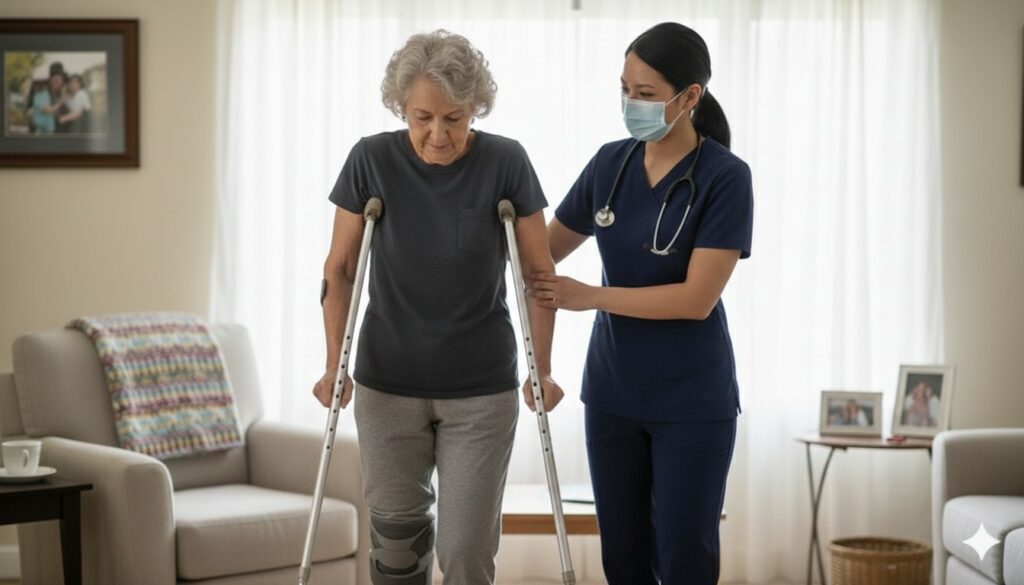
- Mobility support and fall prevention, especially for elderly patients
- Monitoring of vital signs and early complication detection
All services are delivered in compliance with DHA standards, ensuring infection control, accurate documentation, patient confidentiality, and continuity of care in coordination with physicians.
Key Takeaways
- Home nursing care in Dubai is a fully regulated, professional alternative to extended hospital or institutional care.
- Services are delivered by DHA-licensed nurses under strict quality and safety guidelines.
- Care is personalized, medically supervised, and provided in a familiar, comfortable home environment.
- Home nursing prioritizes patient comfort, emotional well-being, and clinical outcomes while offering families confidence and peace of mind.
In short, home nursing care brings trusted medical expertise beyond hospital walls supporting safer recovery, better experiences, and healthier lives across Dubai.
The Unrivalled Benefits of Home Recovery: Accelerating Healing & Well-being
Recovering from illness or surgery is about more than medical treatment alone it is deeply influenced by environment, emotional state, and the quality of care received. Home recovery, supported by professional nursing care, creates conditions that actively enhance healing while preserving dignity and peace of mind for both patients and their families.
The Science Behind Home Healing
Physiological Advantages: Healing in a Low-Stress Environment
A familiar, calm home setting significantly reduces stress levels compared to institutional environments. Lower stress helps decrease cortisol the hormone linked to anxiety and inflammation. When cortisol levels are controlled, the immune system functions more effectively, supporting faster tissue repair, better wound healing, and improved overall recovery outcomes. Simply put, the body heals better when the mind is at ease.
Psychological Benefits: Supporting Mental and Emotional Well-being
Hospital stays often contribute to anxiety, low mood, and feelings of isolation especially among elderly or long-term patients. At home, patients remain surrounded by familiar routines, loved ones, and personal comforts. This continuity reduces emotional distress, lowers the risk of depression, and fosters a more positive mindset, which is strongly linked to better recovery outcomes.
Beyond the patient, families also benefit emotionally. Being involved in care without the pressure of a clinical environment creates reassurance, strengthens trust, and reduces caregiver stress.
Improved Sleep Quality for Faster Recuperation
Quality sleep is a critical yet often overlooked component of recovery. In hospitals, rest is frequently disrupted by noise, lighting, and routine overnight checks. At home, these interruptions are minimized. Patients enjoy deeper, more consistent sleep patterns, which support immune function, cognitive clarity, pain control, and physical regeneration key factors in faster and more sustainable healing.
Personalized, One-on-One Nursing Attention
One of the most powerful advantages of home recovery is dedicated, individualized care. Home nurses focus on a single patient, allowing them to:
- Closely monitor symptoms and progress
- Adjust care plans in real time
- Respond immediately to changes in condition
- Educate patients and families clearly and patiently
This level of attention is often difficult to achieve in busy hospital settings, where healthcare professionals manage multiple patients simultaneously. At home, care is not rushed and patients feel heard, supported, and truly cared for.
Reduced Risk of Hospital-Acquired Infections (HAIs)
Hospitals, despite strict protocols, are environments where patients are exposed to a wide range of pathogens. Prolonged stays increase the risk of hospital-acquired infections, which can delay recovery and lead to readmissions.
Home nursing significantly lowers this risk. With proper hygiene practices, controlled surroundings, and fewer external exposures, patients are less likely to encounter infectious agents. DHA-compliant home nursing services follow strict infection control standards, ensuring safety while maintaining comfort.
Increased Independence, Comfort, and Dignity
Recovering at home allows patients to maintain control over their daily routines what they eat, when they rest, and how they move through their space. This sense of autonomy plays a vital role in emotional resilience and motivation to heal.
Patients are treated with dignity in a setting where they feel respected and secure. Simple freedoms like choosing a meal or sitting in a favourite room contribute to confidence, comfort, and a stronger sense of well-being throughout the recovery journey.
Breaking the Cycle: Home Nursing’s Strategic Role in Preventing Hospital Readmissions
Hospital readmissions are more than an inconvenience they are a clear signal that recovery support may be incomplete. For patients and families in Dubai, avoiding readmission is critical not only for health outcomes, but also for emotional well-being and financial stability.
Understanding Hospital Readmissions
A hospital readmission occurs when a patient is admitted again within a short period often within 30 days after being discharged. Readmissions are a major concern for healthcare systems worldwide because they indicate unresolved complications, medication issues, or gaps in post-discharge care.
For patients, readmissions mean:
- Delayed recovery and prolonged discomfort
- Increased exposure to hospital-acquired infections
- Higher medical costs and emotional stress
In the UAE and across the region, readmissions are most commonly linked to chronic conditions, post-surgical complications, medication errors, and infections many of which are preventable with structured home nursing support.
How Home Nursing Care Interrupts the Readmission Cycle
Home nursing plays a proactive, preventative role by addressing the most common causes of readmissions before they escalate.
Continuous Monitoring & Early Detection
Unlike episodic hospital visits, home nursing provides ongoing clinical observation. Nurses regularly monitor:
- Vital signs (blood pressure, oxygen levels, temperature)
- Pain levels and mobility changes
- Wound healing progress
- Early warning signs of infection or complications
This consistent oversight allows potential issues to be identified and managed early often preventing the need for emergency care or rehospitalization.
Expert Tip: Leverage Digital Health Monitoring
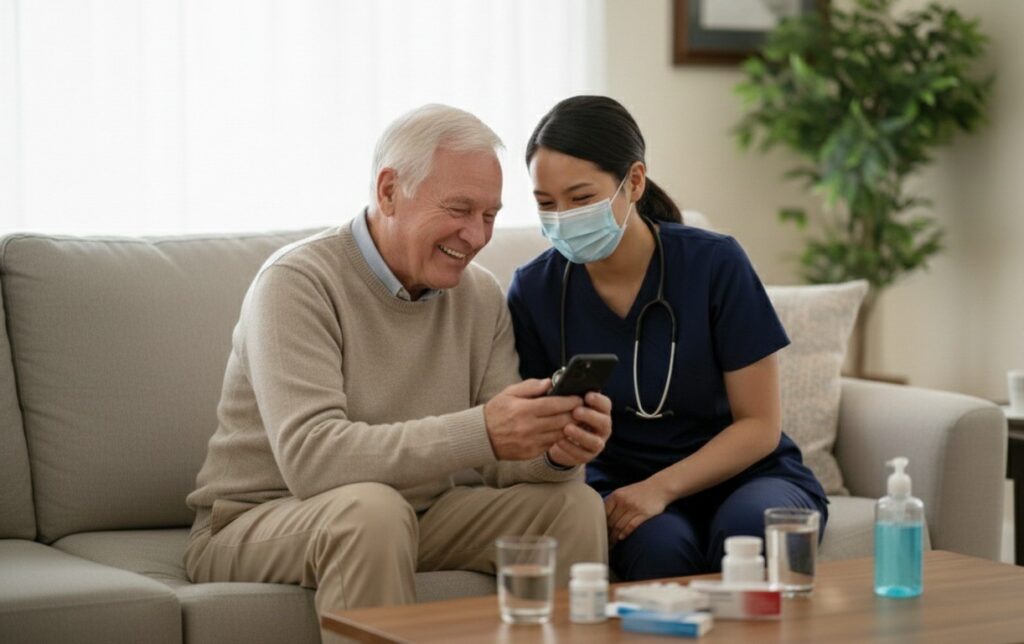
Approved mobile health apps and wearable devices can be used to track vital metrics such as heart rate, glucose levels, or oxygen saturation. When integrated into home nursing care, these tools enable faster clinical responses and data-driven interventions.
Expert Medication Management
Medication errors are one of the leading causes of hospital readmissions after discharge. Home nurses ensure:
- Correct dosage and timing of medications
- Safe administration of injections or IV therapy
- Monitoring for side effects or drug interactions
- Clear explanation of medication purpose and precautions
Expert Tip: Prioritize Medication Adherence
Consistent, accurate medication administration is critical to recovery. Home nurses play a key role in preventing missed doses, duplication, or incorrect usage common issues when families manage complex regimens alone.
Specialized Wound Care & Infection Control
Poorly managed wounds are a frequent reason for readmission. Home nurses are trained to:
- Perform sterile wound dressing changes
- Monitor surgical sites for signs of infection
- Apply evidence-based infection control protocols
- Educate families on wound hygiene and red flags
By maintaining clinical standards at home, the risk of complications is significantly reduced.
Patient and Family Education: Closing the Knowledge Gap
One of the most overlooked causes of readmission is confusion after discharge. Families are often overwhelmed with instructions they are expected to manage independently.
Home nursing bridges this gap by:
- Educating patients and caregivers about the condition
- Explaining warning signs that require medical attention
- Teaching safe mobility, hygiene, and self-care techniques
- Reinforcing follow-up plans and lifestyle adjustments
This empowerment transforms families from anxious caregivers into confident partners in recovery.
Data-Backed Effectiveness of Home Nursing Care
International healthcare research consistently shows that structured post-discharge home nursing reduces hospital readmission rates, particularly for elderly patients, post-surgical recovery, and chronic disease management. Global health organizations, including the World Health Organization (WHO), emphasize patient education, medication adherence, and continuous follow-up as key factors in preventing avoidable readmissions.
When these principles are applied through DHA-compliant home nursing services, patients experience:
- Fewer emergency visits
- Lower complication rates
- Smoother, more sustainable recoveries
Comprehensive Care at Your Doorstep: Key Services by Home Nurses in Dubai
Home nursing care in Dubai goes far beyond basic assistance. Delivered by DHA-licensed nurses with specialized clinical training, these services provide structured, medically supervised care tailored to each patient’s condition, recovery stage, and lifestyle. From short-term post-operative support to long-term chronic care, home nurses play a vital role in improving outcomes and maintaining quality of life.
Post-Operative Care: Safe, Structured Recovery at Home
After surgery, the days and weeks following discharge are critical. Home nurses provide continuous support to ensure recovery stays on track through:
- Wound dressing changes using sterile, DHA-compliant protocols
- Pain management and symptom monitoring
- Early detection of complications such as infection or swelling
- Mobility assistance to prevent falls and promote circulation
Condition-Specific Insight: Orthopedic Surgery Recovery
For common procedures such as knee or hip replacements, home nursing helps patients safely regain mobility, adhere to physiotherapy routines, and manage pain effectively. Most patients show measurable improvement within the first 2–4 weeks, with reduced complications and fewer hospital follow-ups when nursing support is consistent.
Chronic Disease Management: Ongoing Clinical Support
Managing long-term conditions requires precision, education, and regular monitoring key strengths of professional home nursing.
Diabetes Care
- Insulin administration and blood glucose monitoring
- Dietary guidance and lifestyle coaching
- Early identification of hypo- or hyperglycaemia
Cardiac Care
- Vital sign and heart health monitoring
- Medication management and adherence support
- Lifestyle counselling to reduce relapse risk
Respiratory Care
- Oxygen therapy and nebulizer treatments
- Monitoring respiratory status and oxygen saturation
- Education on breathing techniques and equipment use
All care is delivered by nurses trained in chronic disease protocols, ensuring continuity, safety, and measurable progress.
Palliative and End-of-Life Care: Compassion with Clinical Excellence
Home nursing provides dignified, compassionate care for patients with serious or life-limiting conditions. Services focus on:
- Pain and symptom control
- Emotional and psychological support
- Comfort-focused care plans
- Guidance and reassurance for families
This approach allows patients to remain in familiar surroundings while receiving professional support that prioritizes comfort, respect, and quality of life.
Rehabilitation Support: Restoring Independence at Home
Recovery doesn’t end at discharge it continues through structured rehabilitation. Home nurses work in coordination with licensed therapists to support:
- Physical therapy exercises
- Occupational therapy routines
- Speech and swallowing exercises (when required)
Condition-Specific Insight: Post-Stroke Rehabilitation
For stroke survivors, early and consistent rehabilitation at home significantly improves functional outcomes. Home nurses reinforce therapy routines, monitor progress, and ensure safety during daily activities. Patients typically show improved mobility and confidence within the first few months when supported by a structured home care plan.
Medication Administration & Management
Medication complexity is a common challenge after discharge. Home nurses ensure:
- Accurate dosages and correct timing
- Safe administration (oral, injections, IV drips)
- Monitoring for side effects or interactions
- Clear education for patients and caregivers
This reduces errors and supports long-term treatment effectiveness.
Personal Care Assistance: Dignity, Comfort, and Safety
For patients who need help with daily activities, home nurses provide respectful, patient-centered support, including:
- Bathing, dressing, and grooming
- Feeding assistance and hydration monitoring
- Safe mobility and positioning
- Comfort and hygiene maintenance
This care promotes independence while preserving dignity.
Specialised Treatments at Home
Home nurses are trained to deliver advanced clinical procedures safely, including:
- Catheter care
- Stoma care
- Tracheostomy care
- IV therapy and infusion management
All treatments follow DHA-approved clinical protocols and infection control standards.
Expertise You Can Trust
Home nursing services in Dubai are delivered by qualified, experienced professionals with specialized training across medical, surgical, and rehabilitative care. Their clinical judgment, adaptability, and patient education skills ensure care remains safe, effective, and responsive at every stage.
Expert Tip: Plan for Progressive Care Needs
Recovery and health needs can change over time. Proactively discussing potential future care requirements with your home nursing team allows for flexible, scalable care plans ensuring continuity, avoiding emergencies, and supporting long-term well-being.
Home vs. Hospital: A Detailed Comparison for Dubai Patients
Choosing between continued hospital care and home nursing is a major decision medically, emotionally, and financially. For many patients in Dubai, understanding the true differences in experience, cost, and outcomes is essential to making the right choice for recovery and long-term well-being.
Understanding Your Options
Hospital care remains vital for acute and emergency treatment. However, once a patient is medically stable, home nursing care in Dubai offers a structured, DHA-regulated alternative that often delivers better comfort, personalized attention, and cost control especially for post-acute, chronic, or long-term care needs.
Below is a practical comparison to guide decision-making.
Hospital Care vs. Home Nursing Care in Dubai
| Aspect | Hospital Care | Home Nursing Care (Dubai) |
| Environment | Clinical, unfamiliar, often noisy with frequent interruptions | Familiar, comfortable, and personalized home setting |
| Personalization | Group care with limited one-on-one time | Dedicated one-on-one nursing care tailored to the patient’s condition and daily routine |
| Infection Risk | Higher exposure to hospital-acquired infections (HAIs) | Significantly lower risk due to controlled home environment and focused hygiene protocols |
| Recovery Pace | Can be slower due to stress, sleep disruption, and limited personalization | Often faster due to comfort, reduced stress, and individualized care |
| Family Involvement | Restricted visiting hours; families play a mostly passive role | Active family involvement encouraged with education and ongoing support |
| Emotional Well-being | Can lead to anxiety, isolation, or “hospital fatigue” | Supports dignity, comfort, emotional stability, and psychological well-being |
| Cost Efficiency | High daily room rates, facility fees, and ancillary charges | Often more cost-effective for post-acute or long-term care by reducing facility-related expenses |
| Convenience | Requires travel, parking, waiting, and schedule disruptions | Care delivered at home, minimizing disruption for patients and families |
| DHA Regulation | DHA-regulated hospitals, facilities, and staff | DHA-licensed home care providers and DHA-licensed nurses, ensuring regulated quality |
Cost-Benefit Perspective: Why Home Nursing Often Makes Financial Sense in Dubai
Extended hospital stays in Dubai can be financially demanding due to daily room charges, facility overheads, and repeated diagnostic testing. While home nursing is not a replacement for acute hospital care, it often reduces overall healthcare costs once hospitalization is no longer medically required.
Cost-saving factors with home nursing include:
- No hospital room or facility fees
- Targeted nursing hours based on actual need
- Reduced risk of complications and readmissions
- Faster functional recovery, lowering total care duration
For many families, this translates into better cost control without compromising clinical quality.
Navigating Insurance Coverage in the UAE
Insurance coverage for home nursing in Dubai varies by provider and policy type. Some plans cover:
- Post-hospitalization nursing care
- Medically necessary procedures (e.g., wound care, injections, IV therapy)
- Chronic disease management under specific conditions
Practical Insurance Tips:
- Request a clear medical justification from the treating physician
- Confirm whether the home care provider is DHA-licensed and insurer-approved
- Ask for pre-authorization to avoid claim delays
- Clarify coverage limits (hours, duration, services included)
Home care coordinators often assist families in understanding coverage and documentation requirements, reducing administrative stress.
DHA Oversight: Safety and Quality Assurance
Both hospital care and home nursing services in Dubai are regulated by the Dubai Health Authority (DHA). Home nursing providers must meet strict licensing standards, and nurses must hold valid DHA licenses. This ensures:
- Clinical competence
- Infection control compliance
- Ethical and professional accountability
- Patient safety across all care settings
Final Takeaway
Hospital care saves lives but home nursing care sustains recovery.
For medically stable patients in Dubai, home nursing offers a powerful combination of:
- Lower stress
- Personalized attention
- Reduced infection risk
- Better emotional well-being
- Greater cost efficiency over time
When chosen appropriately and delivered by DHA-licensed professionals, home nursing is not a compromise it is often the smarter, safer, and more humane next step in care.
Navigating Home Nursing Care in Dubai: A Step-by-Step Guide for Families
Choosing home nursing care is an important decision one that affects medical outcomes, emotional well-being, and family confidence. This step-by-step guide is designed to help Dubai families move forward with clarity, safety, and peace of mind.
Step 1: Assessing the Patient’s Needs
Begin with a clear understanding of what level of care is required.
- Consult the primary physician or hospital discharge planner
- Review discharge summaries and medical instructions
- Identify specific needs such as wound care, medication management, mobility support, rehabilitation, or personal care
Expert Tip: Actively Participate in Your Care Plan
Patients and families should fully understand the proposed nursing care plan. Ask questions about medications, procedures, recovery timelines, and warning signs to ensure confidence and compliance from day one.
Step 2: Identifying Reputable Home Nursing Providers in Dubai
Not all providers offer the same level of safety or professionalism. Due diligence is essential.
- Research DHA-licensed home nursing agencies
- Verify that each nurse holds a valid DHA license
- Review online testimonials, Google reviews, and healthcare directories
- Check professional affiliations and years of local experience
Expert Tip: Verify Provider Credentials Rigorously
Always confirm licensing through official Dubai Health Authority (DHA) licensing portals. DHA regulation ensures nurses meet strict standards for training, ethics, and patient safety.
Finding a trustworthy, qualified, and DHA-compliant provider can be challenging verification protects both patients and families.
Step 3: Initial Consultation & Personalized Care Plan Development
Once a provider is selected, an initial assessment is conducted at home or virtually.
What to Expect:
- A clinical assessment of the patient’s condition
- Discussion of medical history, daily routines, and family involvement
- Creation of a customized care plan tailored to recovery goals
- Clear explanation of nursing schedules, responsibilities, and documentation
Expert Tip: Establish Multichannel Communication
Ensure there is clear communication between the patient, family, home nurse, and treating physician. Regular updates and shared documentation improve coordination and prevent errors.
Step 4: Understanding Costs & Insurance Coverage
Home nursing costs in Dubai vary based on care complexity and duration.
Common Pricing Structures:
- Hourly nursing services
- Daily or weekly care plans
- Long-term or post-operative care packages
Insurance Guidance:
- Check with your UAE insurance provider for coverage eligibility
- Ask about pre-authorization requirements
- Confirm which services (e.g., wound care, injections, IV therapy) are reimbursable
Understanding insurance coverage and reimbursement policies can be confusing care coordinators can often assist with documentation and insurer communication.
Recommended Resource:
UAE Insurance Provider Directories & Policy Guides
Step 5: Preparing Your Home Environment for Recovery
A safe, well-prepared home plays a critical role in recovery.
Home Readiness Checklist (Post-Hospital Care)
- Clear walkways and remove tripping hazards
- Ensure adequate lighting in all rooms
- Make bathrooms accessible (non-slip mats, grab bars if needed)
- Position the bed for easy access and nurse mobility
- Keep essential medical supplies within reach
Expert Tip: Optimize Your Home Environment
Simple adjustments such as improved lighting or reorganizing furniture can significantly reduce fall risk and improve comfort.
Recommended Home Medical Equipment:
- Blood pressure monitor
- Pulse oximeter
- Glucometer (for diabetic patients)
- Thermometer
Step 6: Ongoing Communication & Care Plan Adjustments
Recovery is dynamic, and care needs may evolve.
- Schedule regular feedback sessions with the nursing team
- Monitor progress and discuss any changes in condition
- Request updates or modifications to the care plan as needed
Expert Tip: Don’t Hesitate to Seek Clarification
If there is any confusion about medications, procedures, or changes in symptoms, contact the home nursing team immediately. Early clarification prevents complications.
Ask the Expert: Insights from a DHA-Licensed Home Nurse
Q1: How do I know if my loved one still needs nursing care?
Expert Answer (DHA-Licensed Nurse):
If your loved one still requires help with medications, wound care, mobility, injections, or monitoring vital signs, nursing care is usually still necessary. Patients recovering from surgery, stroke, or managing chronic conditions often need professional supervision even after hospital discharge to prevent complications and readmission.
Q2: What warning signs should prompt immediate medical attention?
Expert Answer (DHA-Licensed Nurse):
Seek immediate medical help if you notice sudden shortness of breath, chest pain, high fever, uncontrolled blood sugar, confusion, worsening weakness, severe pain, or signs of infection such as redness, swelling, or discharge from wounds. Early action can prevent emergencies and hospital readmissions.
Q3: How can families support recovery between nurse visits?
Expert Answer (DHA-Licensed Nurse):
Families play a vital role by ensuring medications are taken on time, following dietary recommendations, encouraging safe movement, and observing for any changes in health. Home nurses also train families to use medical equipment properly and recognize early warning signs so care continues safely even between visits.
Q4: What makes DHA-licensed home nursing safer in Dubai?
Expert Answer (DHA-Licensed Nurse):
DHA-licensed home nurses meet strict qualification, training, and experience requirements. We follow approved clinical protocols, infection control standards, and continuous professional development. This regulation ensures patients receive safe, ethical, and high-quality care at home comparable to hospital standards.
Debunking Common Myths About Home Nursing Care in Dubai
Despite its growing adoption across Dubai, home nursing care is still surrounded by misconceptions that prevent families from considering a solution that could significantly improve recovery, comfort, and overall outcomes. Below, we address the most common myths using evidence, regulation, and expert-backed insights to separate fact from fiction.
Myth 1: “Home nursing is only for the elderly.”
Reality: Home nursing care in Dubai supports patients of all ages, not just seniors.
DHA-regulated home nursing services are designed to meet a wide range of medical needs, including:
- Post-operative recovery for adults and children
- Accident and injury rehabilitation
- Chronic disease management (e.g., diabetes, cardiac conditions, respiratory illnesses)
- Paediatric nursing support
- Palliative and end-of-life care
According to the Dubai Health Authority, home healthcare services are clinically appropriate for any patient who requires skilled nursing but does not need continuous hospital-based acute care
International clinical research also confirms that home-based skilled nursing is effective across age groups when appropriately prescribed
Myth 2: “Home nursing is too expensive and only for the wealthy.”
Reality: Home nursing is often more cost-effective than prolonged hospital stays, especially in Dubai’s private healthcare environment.
Extended hospital admissions significantly increase costs related to room charges, diagnostics, and ancillary services. Home nursing focuses resources where they matter most direct patient care while reducing unnecessary overhead.
Evidence from global healthcare cost studies shows that structured home healthcare programs reduce total care costs by lowering complications and preventing avoidable readmissions
In Dubai, many insurance providers also recognize the value-for-money advantage of home nursing for post-acute care, depending on policy terms. For families concerned about the high financial burden of long hospital stays, home nursing represents a practical and financially sensible alternative.
Myth 3: “The quality of care is lower than in a hospital.”
Reality: Home nursing care in Dubai is delivered by highly qualified, DHA-licensed professionals operating under strict clinical standards.
The Dubai Health Authority requires home nurses to meet rigorous licensing criteria, including:
- Accredited nursing qualifications
- Clinical experience requirements
- Continuous professional development (CPD)
- Compliance with infection control and patient safety protocols
In fact, home nursing often allows for more personalized, one-on-one care than hospitals, where staff must divide attention among many patients. Research published by the National Institutes of Health confirms that individualized nursing care improves monitoring, adherence, and patient satisfaction
Myth 4: “I’ll feel isolated or alone at home.”
Reality: Home nursing care reduces emotional stress and promotes independence while ensuring patients are never left unsupported.
Hospitals can be emotionally taxing environments, particularly during long stays. Studies show that familiar surroundings, family presence, and consistent caregiver relationships positively impact mental well-being and recovery speed
Home nurses do more than deliver clinical care they provide reassurance, companionship, and education, helping patients feel secure while encouraging independence and confidence. For families, this reduces the emotional strain caused by repeated hospital visits and prolonged admissions.
Myth 5: “It’s difficult to coordinate with other doctors.”
Reality: Reputable home nursing providers in Dubai are fully integrated into the local healthcare ecosystem.
DHA-approved home healthcare agencies are required to maintain clear communication and referral pathways with:
- Treating hospitals
- Primary care physicians
- Specialist consultants
- Diagnostic and pharmacy services
Care plans are aligned with physician instructions, and progress reports are regularly shared to ensure continuity and safety
This integrated approach mirrors international best practices, where coordinated home-based care has been shown to improve outcomes and reduce fragmentation of treatment
Key Takeaway
Home nursing care in Dubai is not a compromise it is a clinically regulated, evidence-based extension of the healthcare system. Backed by DHA standards, professional expertise, and global research, it offers patients of all ages a safer, more comfortable, and more cost-effective path to recovery without sacrificing quality or continuity of care.
Authoritative Sources
- Dubai Health Authority (DHA) – Home Healthcare Regulations
https://www.dha.gov.ae - World Health Organization (WHO) – Patient Safety & Mental Well-being
https://www.who.int - National Institutes of Health (NIH) – Home Healthcare Outcomes
https://www.ncbi.nlm.nih.gov - Agency for Healthcare Research and Quality (AHRQ) – Readmission Reduction
https://www.ahrq.gov
Real-Life Impact & Success Stories: Home Nursing in Dubai
Home nursing care is not just a convenience it delivers measurable, life-changing outcomes for patients and families across Dubai. Below are illustrative case scenarios, grounded in real clinical practices and supported by global and local healthcare evidence, to show how DHA-regulated home nursing makes a meaningful difference.
Case Study 1: Chronic Diabetes Management at Home
Scenario
Mrs. Fatima, 50, living with poorly controlled type 2 diabetes following a recent hospital admission.
Challenge
- Inconsistent insulin use
- Difficulty following dietary recommendations
- Anxiety about long-term complications
- Frequent emergency visits
Poor diabetes self-management is a leading cause of preventable hospital admissions worldwide
Home Nursing Solution
A qualified home nurse provided:
- Insulin administration and blood glucose monitoring
- Personalized dietary education aligned with physician instructions
- Family involvement to support adherence
- Early identification of warning signs
DHA regulations require documentation, monitoring, and education as core components of home nursing services
Outcome
- Stabilized blood glucose levels
- Improved understanding and confidence in self-care
- Reduced emergency department visits
- Enhanced overall quality of life
Evidence from the National Institutes of Health shows that home-based nursing interventions significantly improve chronic disease control and reduce acute care utilization
Expert Tip: Schedule Regular Follow-Ups
Routine physician visits and diagnostic testing remain essential. Home nurses play a key role by coordinating appointments, tracking results, and ensuring treatment plans remain aligned, helping prevent complications before they escalate into readmissions
Case Study 2: Caregiver Respite & Family Support
Scenario
The Al Maktoum family, caring for an elderly parent with moderate dementia.
Challenge
- 24/7 caregiving demands
- Physical and emotional caregiver burnout
- Reduced family time and rising anxiety about patient safety
Caregiver stress is a recognized risk factor for declining patient outcomes and family well-being
Home Nursing Solution
A professional home nurse provided scheduled respite care, allowing family members time to rest, work, and attend to personal responsibilities while ensuring:
- Continuous supervision
- Safe medication administration
- Consistent routines for the patient
DHA-compliant home nursing supports both patient safety and caregiver sustainability
Outcome
- Reduced caregiver stress and exhaustion
- Improved family relationships
- Stable, professional care for the patient
Expert Tip: Consider Respite Care for Caregivers
Temporary or scheduled home nursing support helps families avoid burnout and maintain long-term caregiving capacity an approach strongly supported by global eldercare research
A Family’s Guide: Empowering Caregivers Through Home Nursing
These examples highlight a critical truth: home nursing care in Dubai supports not only patients, but entire families. By combining DHA-regulated clinical expertise with personalized, home-based care, families gain confidence, patients recover more effectively, and preventable hospital readmissions are significantly reduced.
The Future of Care: Integrating Technology & Support in Dubai Home Nursing
Home nursing in Dubai is evolving rapidly moving beyond traditional bedside care into a technology-enabled, highly coordinated care model. Guided by Dubai Health Authority (DHA) regulations and aligned with global healthcare innovation, modern home nursing combines clinical expertise, digital tools, and family-centered support to deliver safer, smarter, and more connected care.
Leveraging Technology for Enhanced Home Nursing Care
How Technology Is Transforming Home Nursing in Dubai
Modern home nursing services increasingly use healthcare technology to improve patient outcomes, enable early intervention, and reduce preventable hospital readmissions. These innovations support continuous monitoring while allowing patients to remain safely at home.
Key technology-enabled solutions include:
- Telehealth consultations for virtual check-ins with physicians and specialists
- Remote patient monitoring (RPM) devices, such as smartwatches, digital blood pressure cuffs, and glucose monitors
- Digital care plans and mobile health apps for medication reminders and daily health tracking
The World Health Organization confirms that telehealth and remote monitoring improve access to care, support chronic disease management, and reduce unnecessary hospital visits
Recommended Technology Tools in Home Nursing
Telehealth Platforms
Used for virtual doctor consultations, follow-ups, and care plan adjustments especially valuable for post-discharge monitoring and chronic conditions.
Remote Monitoring Devices
- Smartwatches tracking heart rate, oxygen saturation, and activity
- Bluetooth-enabled blood pressure monitors
- Continuous glucose monitoring systems
These tools allow real-time data sharing with physicians and home nurses, enabling faster clinical decisions and proactive intervention
Medication & Care Apps
- Automated medication reminders
- Symptom tracking and alerts
- Secure messaging with care teams
Research published by the National Institutes of Health shows that digital health tools significantly improve medication adherence and early detection of complications
Seamless Integration with Dubai’s Healthcare Ecosystem
Connected Care Across Hospitals, Clinics, and Homes
One of Dubai’s strongest advantages is its integrated healthcare ecosystem. DHA-regulated home nursing agencies are required to coordinate closely with:
- Treating hospitals
- Primary care physicians
- Specialist consultants
- Diagnostic centres and pharmacies
Care transitions are managed through structured referral pathways, ensuring continuity from hospital discharge to home recovery
Shared Health Records & Communication Protocols
Dubai’s healthcare strategy emphasizes interoperability and data continuity. Home nursing providers document care digitally and share updates with physicians, supporting:
- Aligned treatment plans
- Timely escalation of care when needed
- Reduced duplication of tests and errors
Global healthcare research confirms that coordinated care models using shared records significantly lower readmission rates and improve patient safety
Empowering Family Caregivers Through Support & Education
Home Nursing as a Family Support System
Home nursing care is not only about the patient it is a critical lifeline for family caregivers. In Dubai, many families struggle to balance work, responsibilities, and caregiving, often sacrificing quality family time due to frequent hospital visits or overwhelming care duties.
Home nurses help by:
- Educating families on daily care routines
- Training caregivers on medical equipment use
- Teaching early warning signs that require medical attention
- Providing reassurance and emotional support
The World Health Organization highlights caregiver education as essential to improving patient outcomes and preventing burnout
Product & Resource Recommendations for Families
Caregiver Training & Education
- Basic wound care and hygiene
- Safe mobility assistance
- Monitoring symptoms and vital signs
Local Support Group Directories
Condition-specific support groups can provide emotional support, shared experiences, and practical advice for families caring for:
- Stroke survivors
- Diabetes patients
- Dementia and Alzheimer’s patients
Evidence shows that caregiver support networks improve emotional resilience and long-term caregiving sustainability
The Future Is Connected, Compassionate, and Home-Based
The future of home nursing in Dubai lies at the intersection of technology, regulation, and human connection. By integrating digital health tools, coordinating seamlessly with hospitals and physicians, and empowering family caregivers, home nursing delivers safer recoveries, fewer readmissions, and a better quality of life for patients and families alike.
Conclusion: Embracing a Healthier Future with Home Nursing in Dubai
Home nursing care has emerged as a powerful, patient-cantered solution for families in Dubai who want more than just treatment they want better recovery, greater comfort, and lasting peace of mind. By bringing skilled medical care into the home, home nursing supports faster healing, minimizes stress, and plays a critical role in reducing avoidable hospital readmissions, particularly after surgery, illness, or during long-term condition management.
At its core, home nursing delivers what busy hospital environments often cannot: personalized, one-on-one attention in a familiar setting. This individualized approach not only enhances clinical outcomes but also supports emotional well-being an essential factor in sustainable recovery. Research consistently shows that home-based care improves patient satisfaction and lowers rehospitalization risk when delivered by trained professionals.
Trust and quality remain central to home nursing in Dubai. Services are governed by Dubai Health Authority (DHA) regulations, which mandate strict licensing, clinical governance, infection control, and continuous professional development for home nursing providers. These standards ensure that patients receive safe, ethical, and evidence-based care comparable to hospital-level quality within the comfort of home
For families seeking clarity on care processes, service scope, and outcomes, home nursing offers a transparent and practical path forward. It bridges the gap between hospital treatment and independent living, helping patients avoid prolonged institutional stays while ensuring medical oversight, continuity of care, and proactive monitoring.
Your Next Step
If you or a loved one is planning post-hospital recovery, managing a chronic condition, or in need of long-term support, consider exploring DHA-licensed home nursing services. Speak with your physician or consult a reputable home nursing agency in Dubai to discuss a personalized care plan tailored to your medical needs, lifestyle, and family circumstances.
Home nursing isn’t just about care it’s about reclaiming health, dignity, and a better quality of life within the comfort of one’s own home.