
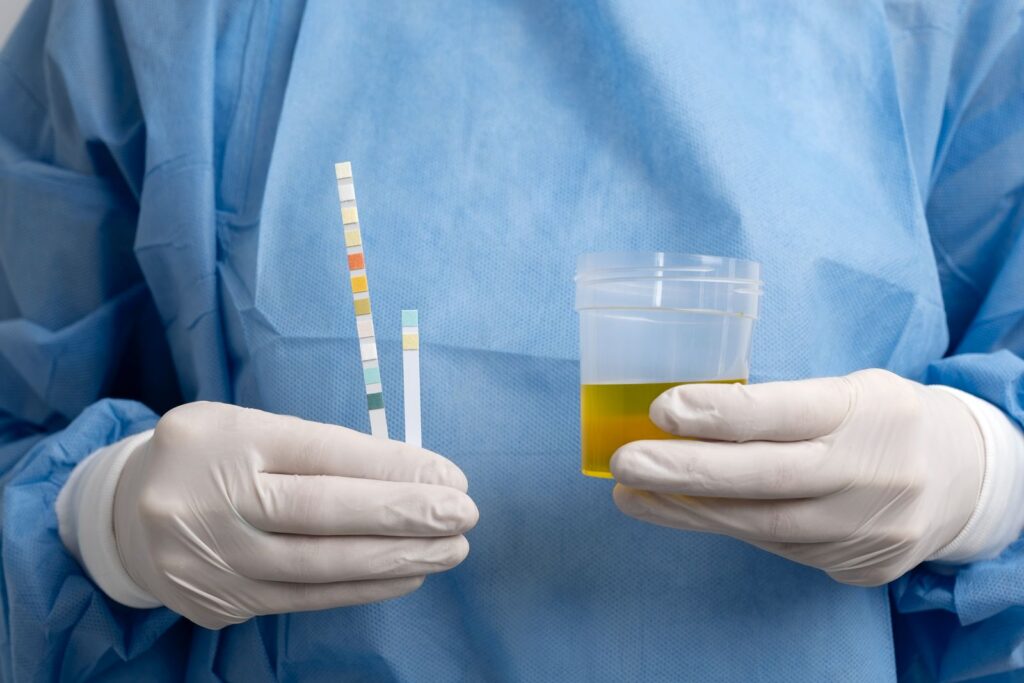
Urine Test in Dubai: Your Comprehensive Guide to Types, Preparation, Results, and Accredited Services
Introduction
Navigating healthcare in a fast-paced, multicultural city like Dubai can feel overwhelming especially when you’re asked to undergo a medical test such as a urine analysis. Whether it’s for a routine health check, visa processing, employment requirements, or diagnosing symptoms, many residents and expats find themselves unsure about where to go, which test is required, how much it will cost, and whether the service is officially approved. Add local regulations and varying healthcare providers into the mix, and confusion is common.
This guide is designed to remove that uncertainty. It serves as your clear, reliable resource for understanding urine tests in Dubai covering why they’re performed, the different types available, how to prepare correctly, and what your results actually mean. No medical jargon, no guesswork just straightforward, practical explanations you can trust.
By the end of this comprehensive guide, you’ll have the confidence to choose accredited and DHA-compliant services, prepare accurately to avoid repeat testing, and understand your results well enough to discuss them confidently with a healthcare professional. In short, this guide empowers you to make informed decisions about your health while staying fully compliant with Dubai’s medical and administrative requirements.
1. What Is a Urine Test and Why Is It Important in Dubai?
Simple Explanation
A urine test, also known as a urinalysis, is one of the most commonly used diagnostic tools in modern healthcare. It involves analyzing a urine sample to detect and measure specific substances, cells, and microorganisms. Because urine reflects how well many organs are functioning, this simple, non-invasive test provides valuable insights into your overall health.
What a Urine Test Reveals
A urine test can help identify or monitor a wide range of health conditions, including:
- Kidney function issues, such as early signs of kidney disease
- Liver health problems, indicated by abnormal bilirubin or urobilinogen levels
- Urinary tract infections (UTIs), through the presence of bacteria, white blood cells, or nitrites
- Diabetes and metabolic conditions, by detecting glucose or ketones in the urine
- Dehydration and electrolyte imbalances, based on urine concentration
How the Test Works
The process is straightforward and typically completed in three steps:
- Sample Collection: You provide a urine sample—usually a clean, midstream sample—to avoid contamination.
- Initial Examination: The lab checks physical characteristics such as color and clarity.
- Laboratory Analysis: Chemical testing strips and microscopic examination are used to detect abnormalities, infections, or underlying health issues.
Results for routine urinalysis are often available within a few hours, while specialized tests, such as urine cultures, may take longer.
Why Urine Tests Are Especially Important in Dubai
Routine Health Check-ups
In Dubai, urine tests are a key component of preventive healthcare. Regular screening helps detect health issues early—often before symptoms appear—allowing for timely treatment and better long-term outcomes.
Visa and Employment Requirements
Urine tests are frequently part of mandatory medical fitness screenings for UAE residency visas, work permits, and certain professional licenses. These screenings are regulated by government health authorities and are designed to protect public health across Dubai’s diverse population.
Addressing Specific Health Concerns
Doctors in Dubai commonly rely on urine tests to diagnose and monitor conditions such as UTIs, kidney disorders, liver disease, and complications related to chronic illnesses like diabetes or hypertension.
The “Dubai Difference” in Health Screening
One distinguishing factor of healthcare in Dubai is the comprehensive nature of mandatory health checks. Due to the city’s large expatriate community and international workforce, medical screenings often follow strict, standardized protocols to ensure consistency, safety, and public health compliance.
Important Medical Disclaimer (E-E-A-T Consideration)
This content is provided for informational purposes only and is not intended to replace professional medical advice, diagnosis, or treatment. Always consult a licensed healthcare professional or accredited medical facility in Dubai for personalized medical guidance and interpretation of test results.
2. Why Your Doctor Might Order a Urine Test in Dubai (Indications)
A urine test is often one of the first investigations a doctor recommends because it provides fast, reliable insights into multiple body systems. In Dubai, urine tests are used not only for medical diagnosis but also to meet regulatory, employment, and residency requirements.
Medical Reasons for a Urine Test
Diagnosing Urinary Tract Infections (UTIs)
Urine tests play a key role in identifying UTIs by detecting bacteria, white blood cells, nitrites, and signs of inflammation. If you are experiencing symptoms such as burning during urination, frequent urges to urinate, or lower abdominal discomfort, your doctor may request a urine analysis or culture.
Monitoring Kidney and Liver Health
Urine testing helps assess how well your kidneys and liver are functioning. The presence of protein, blood, or abnormal chemical markers in urine can indicate early kidney disease, liver dysfunction, or complications from chronic conditions such as high blood pressure.
Detecting Diabetes and Other Metabolic Conditions
Doctors often use urine tests to screen for glucose, ketones, and other substances that signal metabolic imbalances. These findings can support the diagnosis or monitoring of diabetes and help identify poorly controlled blood sugar levels.
Screening for Certain Diseases and Disorders
In some cases, urine tests assist in detecting or monitoring autoimmune disorders, genetic conditions, and certain cancers. While urine tests alone do not confirm these diagnoses, they provide important clues that guide further investigations.
Monitoring Pregnancy
During pregnancy, urine tests are routinely used to check for gestational diabetes, urinary infections, and signs of pre-eclampsia, such as elevated protein levels. Regular monitoring helps protect both maternal and fetal health.
Administrative and Preventive Reasons in Dubai
Visa Applications and Renewals
Urine tests are often included in mandatory medical fitness screenings required for UAE residency visas and renewals. These tests help ensure compliance with public health regulations.
Employment Health Checks
Many employers in Dubai require urine testing as part of pre-employment screening or periodic occupational health assessments, particularly in regulated industries or safety-sensitive roles.
Routine Wellness Examinations
Urine tests are commonly part of annual health check-ups, even in individuals without symptoms. This proactive approach supports early detection and long-term health management.
Expert Tip: Always Consult a Doctor
While urine test reports may seem easy to read, self-interpreting results can be misleading or even dangerous. Abnormal findings do not always indicate a serious condition, and normal results do not always rule one out. Always review your urine test results with a licensed healthcare professional in Dubai to ensure accurate diagnosis, appropriate treatment, and proper follow-up.
3. Understanding the Different Types of Urine Tests in Dubai
Not all urine tests serve the same purpose. In Dubai, doctors select specific urine tests based on your symptoms, medical history, and the reason for testing—whether it’s a routine health check, visa screening, employment requirement, or investigation of a particular condition. Some tests provide a broad overview of your health, while others are highly targeted to detect specific diseases or substances.
Choosing the Right Test: From General Screening to Targeted Diagnosis
- General screening tests (like routine urinalysis) offer a snapshot of overall health.
- Targeted tests (such as urine culture or microalbumin tests) focus on identifying or monitoring specific conditions.
- Specialized collections (like 24-hour urine tests) measure substances over time for more detailed assessment.
Selecting the correct test ensures accurate results, faster diagnosis, and avoids unnecessary repeat testing.
Unique Content Feature: “Find Your Urine Test” Tool (Concept)
To enhance user experience, consider adding an interactive “Find Your Test” tool on your website.
This simple quiz or decision tree could ask users questions such as:
- Are you experiencing burning or pain while urinating?
- Is the test for employment, visa, or routine screening?
- Are you pregnant or managing diabetes or high blood pressure?
Based on their answers, the tool can suggest the most likely urine test and link users directly to:
- Detailed explanations of that test
- Accredited service providers in Dubai
- Booking or consultation options
This approach improves clarity, engagement, and conversion while guiding users responsibly (with a disclaimer that final decisions rest with a doctor).
Table: Common Urine Tests in Dubai
Test Type | Primary Purpose | What It Detects | Common Indications |
Urinalysis (Routine) | General health screening, early detection of disorders | pH, specific gravity, protein, glucose, blood, white blood cells (WBCs), bacteria, nitrites, ketones | Routine check-ups, suspected UTIs, kidney issues, diabetes screening, liver problems |
Urine Culture | Identify the exact cause of infection | Type and quantity of bacteria (e.g., E. coli, Klebsiella) | Persistent UTI symptoms, recurrent infections, antibiotic effectiveness testing |
Urine Drug Test | Detect drugs or controlled substances | Metabolites of cannabis, cocaine, opioids, amphetamines, benzodiazepines, barbiturates | Employment screening, legal requirements, substance abuse monitoring, sports testing |
Pregnancy Test (hCG) | Confirm pregnancy | Human Chorionic Gonadotropin (hCG) hormone | Suspected pregnancy, early pregnancy confirmation |
Glucose in Urine Test | Screen or monitor diabetes | Glucose levels in urine | Diabetes screening, monitoring diabetic patients, unexplained thirst or weight loss |
Microalbumin / Creatinine Ratio | Detect early kidney damage | Small amounts of albumin protein relative to creatinine | Diabetes, high blood pressure, kidney disease risk assessment |
24-Hour Urine Collection | Measure substances over a full day | Proteins, creatinine, electrolytes (sodium, potassium), calcium, hormones (e.g., cortisol) | Kidney function assessment, metabolic disorders, hormone imbalance, kidney stone risk |
Important Note on Accuracy & Medical Guidance
The tests listed above reflect common medical practices in Dubai, but exact test panels, turnaround times, and reporting methods may vary by laboratory. A licensed healthcare professional should always determine the most appropriate test based on your symptoms and medical history.
4. Preparing for Your Urine Test: A Step-by-Step Guide
Proper preparation is essential to ensure accurate urine test results and avoid repeat testing. In Dubai, laboratories and clinics follow strict protocols, but your preparation plays a crucial role in the reliability of the outcome. Below is a clear, step-by-step guide to help you prepare correctly.
Step 1: Follow Smart Hydration Guidelines
Hydration matters—but balance is key.
- Drink normal amounts of water before your test.
- Avoid excessive fluid intake, as over-hydration can dilute your urine, potentially masking important findings.
Expert Tip: Hydration Is Key (for Most Tests)
For most urine tests, being well-hydrated helps produce a clean and usable sample. However, some tests—especially those measuring protein, hormones, or certain metabolites—require a first-morning urine sample, which is more concentrated. Always confirm with your doctor or laboratory.
Step 2: Consider Your Diet Before the Test
Certain foods and drinks can temporarily affect urine appearance or chemical readings.
- Avoid foods with strong artificial coloring (e.g., beetroot, food dyes) before a routine urinalysis, as they may alter urine color.
- Limit caffeine and alcohol unless instructed otherwise, as they can affect hydration levels.
Step 3: Disclose All Medications and Supplements
One of the most critical steps in preparation is full medication disclosure.
Expert Tip: Disclose All Medications
Inform your doctor or lab technician about:
- Prescription medications
- Over-the-counter drugs (e.g., pain relievers, cold medicines)
- Vitamins and dietary supplements
- Herbal or traditional remedies
Many substances can alter urine chemistry, leading to misleading or false-positive results.
Step 4: Avoid Sample Contamination
Before collecting your urine sample:
- Wash your hands thoroughly with soap and water
- Use only the sterile container provided by the clinic or lab
- Avoid touching the inside of the container or lid
Proper hygiene reduces the risk of contamination, especially when testing for infections.
Step 5: Use the Clean-Catch Midstream Technique
This method is commonly required for routine urinalysis and urine culture tests.
How to collect a clean-catch midstream sample:
- Clean the genital area using the provided wipes or as instructed by the clinic.
- Begin urinating into the toilet.
- After a few seconds, place the container under the urine stream.
- Collect the midstream urine without stopping the flow.
- Finish urinating into the toilet and securely close the container.
This technique minimizes contamination from skin bacteria and ensures more accurate results.
Step 6: First-Morning Urine Sample (When Required)
A first-morning urine sample is collected immediately after waking up.
- It is more concentrated and less affected by food or fluid intake.
- Commonly required for protein tests, pregnancy testing, and certain hormone assessments.
Follow your doctor’s or lab’s instructions carefully if this type of sample is requested.
Step 7: 24-Hour Urine Collection (Special Instructions)
Some tests require collecting all urine over a 24-hour period.
General guidelines include:
- Discard the first urine of the day and note the start time
- Collect every urine sample for the next 24 hours in the provided container
- Store the container as instructed (often refrigerated)
- Return the full sample to the lab promptly after completion
Missing even one sample can affect the accuracy of results.
Important Medical Disclaimer (E-E-A-T Consideration)
These preparation steps are general guidelines. Always follow the specific instructions provided by your doctor or the testing laboratory, as protocols may vary depending on the type of urine test and clinical requirements in Dubai.
5. What to Expect During the Urine Test and Sample Collection Process
Whether you visit a clinic or use an at-home service in Dubai, understanding the urine test process helps reduce stress, ensures accurate results, and makes the experience smooth.
In-Clinic or Lab Collection
- Registration and ID Verification
Upon arrival, staff will confirm your identity and collect any required documents, such as a medical referral, visa, or insurance card. This ensures your results are correctly linked to your record. - Receiving the Collection Kit and Instructions
You will be given a sterile container along with step-by-step instructions from the staff. Pay attention to whether the test requires a midstream sample, first-morning sample, or 24-hour collection. - Using Restroom Facilities for Sample Collection
Labs and clinics provide private, hygienic restrooms for sample collection. Follow the instructions carefully to avoid contamination. - Submitting the Sample
Once collected, the sample should be properly labeled with your details and handed to the staff. They will ensure correct storage and transport to the laboratory for analysis.
At-Home Urine Collection Services
- Arranging an Appointment
Home collection services allow you to schedule a visit at a time convenient for you. This is ideal for busy professionals, elderly patients, or anyone who prefers privacy. - Professional Collector’s Visit and Guidance
A trained nurse or lab technician will arrive at your home, explain the procedure, and provide a sterile collection kit. They will guide you to collect your sample correctly and safely. - Ensuring Privacy and Hygiene
Reputable home services maintain the highest standards of hygiene and confidentiality. Collection is discreet, and all samples are securely transported to accredited laboratories.
Expert Tip: Follow Collection Instructions Precisely
Accurate results depend on proper collection techniques:
- Always use the clean-catch midstream method unless otherwise instructed.
- Follow any special directions for first-morning or 24-hour samples.
- Even minor deviations can lead to contamination, affecting diagnosis or requiring repeat testing.
Visual Suggestion:
Include an infographic showing the clean-catch midstream urine collection steps:
- Wash hands and clean genital area
- Begin urinating into the toilet
- Collect midstream urine in the container
- Finish urinating into the toilet
- Securely close and label the container
This visual guide helps patients understand and follow the procedure correctly.
6. Understanding Your Urine Test Results (Simplified Explanation)
Urine tests provide a wealth of information about your health. Interpreting the results can seem complex, but understanding the key markers helps you discuss findings confidently with your doctor. Remember: only a qualified medical professional can provide an accurate diagnosis based on your complete medical history.
Key Components of a Urine Test
- Color and Clarity
- What it indicates: Hydration level, diet, and possible medical conditions.
- Example: Dark, concentrated urine may suggest dehydration; cloudy urine can indicate infection.
- pH Level
- What it indicates: Acidity or alkalinity of urine.
- Why it matters: Important for detecting urinary tract infections (UTIs) and assessing the risk of kidney stone formation.
- Specific Gravity
- What it indicates: Urine concentration, reflecting hydration status.
- Example: Very dilute urine may result from overhydration or certain medical conditions; very concentrated urine can indicate dehydration.
- Protein
- What it indicates: Kidney function and possible heart conditions.
- Significance: Presence of protein may signal kidney disease, high blood pressure effects, or pre-eclampsia in pregnancy.
- Glucose
- What it indicates: Blood sugar control.
- Significance: Detecting glucose in urine is a key indicator for diabetes screening or monitoring.
- Blood (Hematuria)
- What it indicates: Presence of red blood cells in urine.
- Possible causes: UTIs, kidney stones, injury, or more serious conditions.
- White Blood Cells (WBCs)
- What it indicates: Infection or inflammation in the urinary tract.
- Bacteria
- What it indicates: Direct evidence of bacterial infection, most commonly a UTI.
- Other Microscopic Elements
- Casts: Tiny tube-shaped particles that can indicate kidney disease.
- Crystals: Can signal kidney stone risk or metabolic issues.
When to Be Concerned
Seek immediate medical attention if your urine test shows:
- High protein levels
- Visible blood in urine
- Significant bacteria or WBCs indicating infection
- Persistent abnormalities that do not resolve on follow-up
The Importance of Looking at the Full Picture
A single abnormal marker does not always indicate a serious problem. Doctors interpret results in conjunction with:
- Your symptoms
- Medical history
- Other laboratory tests
This holistic approach ensures accurate diagnosis and treatment.
Expert Tips for Patients
- Prepare Questions
- Before your consultation, prepare a list of questions about your test, its purpose, and what the results might indicate.
- This helps you have a productive discussion with your doctor and understand next steps.
- Keep Records
- Maintain a personal record of all urine tests and other medical results.
- This is particularly useful for expats moving between clinics or countries, as it ensures continuity of care.
Important Medical Disclaimer (E-E-A-T Consideration)
This content is provided for educational purposes only. Only a qualified healthcare professional can interpret urine test results accurately, provide a diagnosis, and recommend treatment tailored to your personal medical history. Always consult your doctor regarding your results.
7. Where to Get a Urine Test in Dubai: Clinics, Hospitals, and Home Services
Finding a reliable, accredited facility for urine testing in Dubai is essential for accurate results, timely reporting, and peace of mind. Dubai offers a wide range of options, from general hospitals to specialized diagnostic centers and convenient home services. Here’s a complete guide to help you choose the best provider.
Types of Providers
- General Hospitals with Diagnostic Labs
- Provide comprehensive healthcare services, including urine tests.
- Often have emergency facilities and access to advanced testing equipment.
- Specialized Diagnostic Centers
- Focus exclusively on laboratory testing.
- May offer faster processing times for routine or specialized urine tests.
- Private Clinics
- Convenient for routine testing and follow-ups.
- Typically have multiple neighborhood locations for easy access.
- Home Healthcare Service Providers
- Offer urine sample collection in the comfort of your home.
- Ideal for patients with mobility issues, busy schedules, or privacy concerns.
Factors to Consider When Choosing a Provider
- Location and Accessibility
- Choose a clinic or lab close to your home or workplace to reduce travel time.
- Accreditation and Quality Standards
- Check that the facility is licensed by the Dubai Health Authority (DHA).
- Look for international certifications such as ISO or JCI accreditation.
Expert Tip: Always verify clinic and lab accreditations to ensure reliable, high-quality services.
- Range of Tests Offered
- Confirm that the facility provides the specific urine test you require.
- Turnaround Time for Results
- Ask about expected reporting times, especially for time-sensitive tests like employment or visa screenings.
Expert Tip: Inquire in advance about result turnaround times to plan follow-ups or appointments.
- Cost and Insurance Coverage
- Check whether your insurance plan is accepted.
- Compare cash prices for routine or specialized urine tests.
- Privacy and Confidentiality
- Dubai healthcare providers maintain strict patient confidentiality.
- Patients have rights to access their medical records and test reports.
Expert Tip: Understand your privacy rights when sharing samples or results.
- Availability of Home Services
- Home healthcare services are especially convenient for busy professionals, elderly patients, or those seeking discretion.
Expert Tip: Consider home urine collection if you want comfort and convenience without visiting a clinic.
Table: Reputable Urine Test Providers in Dubai
Provider Name | Type of Service | Key Features | Contact/Location Info |
Mediclinic | Clinic/Hospital | Comprehensive diagnostic labs, wide range of tests, multiple locations, high international standards | Website: mediclinic.ae, Call: 800 1999, Locations: Dubai Healthcare City + others |
American Hospital Dubai | Clinic/Hospital | Advanced diagnostic facilities, JCI accreditation, specialized testing, comprehensive health packages | Website: ahdubai.com, Call: +971 4 377 5500, Oud Metha Road, Dubai |
Prime Healthcare Group | Clinic/Hospital | Extensive network of clinics & hospitals, various diagnostic tests, accessible locations | Website: primehealthgroup.com, Contact via site, Locations: Multiple Dubai locations |
Medcare Hospitals & Medical Centres | Clinic/Hospital | Fast results for common tests, specialized women’s & children’s care, quality services | Website: medcare.ae, Call: 800 6332273, Locations: Medcare Hospital Al Safa, Medcare Women & Children Hospital |
Aster DM Healthcare (Aster Clinics) | Clinic/Hospital | Affordable options, large clinic network, some home sample collection available | Website: asterclinics.com, Call: +971 4 440 0500, Multiple locations across Dubai |
TrueCare Home Healthcare | Home Service | Experienced nurse visits, home sample collection, fast delivery of results | Website: truecare.ae, Call: +971 52 822 0005, Service area: Major Dubai communities |
Right Health | Clinic | Community-focused healthcare, basic to advanced urine tests, affordable pricing | Website: righthealth.ae, Call: 800 74448, Multiple clinics across residential and industrial areas |
Important Note:
This table is illustrative. Always confirm the current services, accreditations, and contact details directly with the provider before booking. Choosing DHA-licensed and internationally accredited labs ensures accuracy, reliability, and compliance with Dubai’s healthcare regulations.
8. Cost of Urine Tests in Dubai: What to Expect
The cost of urine tests in Dubai varies depending on the type of test, provider, and additional services. Understanding these factors can help you plan your visit and avoid unexpected expenses.
Typical Price Range for Common Urine Tests
Test Type | Indicative Cost (AED) | Notes |
Basic Urinalysis | 50 – 150 | Standard screening for general health or routine check-ups |
Urine Culture | 150 – 300 | Identifies specific bacteria causing infection |
Drug Tests (multi-panel) | 200 – 500+ | Often bundled with employment or visa medical packages |
Pregnancy Tests (lab-based) | 80 – 180 | More accurate than home test kits, includes lab processing |
Specialized Tests (24-hour urine collection, microalbumin, etc.) | 250 – 600+ | Prices vary depending on complexity, lab requirements, and reagents used |
Factors Affecting Urine Test Costs
- Type of Test
- Tests with more parameters or specialized analysis require specific reagents and equipment, increasing cost.
- Provider
- Hospitals generally have higher overheads than standalone clinics or diagnostic centers.
- Home services may include a collection or consultation fee in addition to the test price.
- Urgency of Results
- Expedited or same-day reports often incur additional charges.
- Additional Consultations
- If a doctor’s consultation for result interpretation is included, the cost may increase.
Health Insurance Coverage
- Coverage depends on your policy type and the reason for the test:
- Medical necessity: Often covered if ordered by a doctor for diagnosis or monitoring of a condition.
- Routine screening: May not be covered unless part of a preventive health package.
- Visa or employment requirements: Coverage may vary; often paid out-of-pocket.
Tip: Always verify with your insurance provider whether your urine test is covered under your plan before booking.
Out-of-Pocket Payment Considerations
- Many providers offer package deals or discounted rates for bundled tests (e.g., pre-employment or full health screenings).
- Some home healthcare services include delivery and collection fees, which can affect total cost.
- Compare prices across clinics, hospitals, and diagnostic centers for the best value without compromising quality.
Expert Tip: Confirm Pricing in Advance
Transparency is key. Always check with the chosen provider for:
- Test types offered
- Exact prices, including consultation or home service fees
- Estimated turnaround time for results
This ensures there are no surprises and helps you make an informed decision while maintaining trust in your healthcare provider.
9. Essential Patient Resources and Compliance in Dubai
Navigating urine testing in Dubai requires not only understanding the tests themselves but also being aware of official guidelines, patient rights, and regulatory compliance. This ensures that your health information is handled correctly and that you receive reliable, accurate results.
Official Resources for Reliable Information
- Dubai Health Authority (DHA)
- Website: www.dha.gov.ae
- Provides official guidelines, regulations, and a listing of DHA-accredited healthcare facilities.
- Essential for checking whether clinics or labs are authorized to perform urine tests in Dubai.
- UAE Ministry of Health and Prevention (MOHAP)
- Website: www.mohap.gov.ae
- Offers broader health policy updates, national health regulations, and information relevant to medical testing across the UAE.
Patient Compliance Checklist for Urine Testing in Dubai
Before booking or visiting a clinic, ensure the following to protect your health, rights, and privacy:
- Accreditation Verification
- Confirm that the clinic or lab displays a valid DHA license.
- Check for any ISO certifications or international quality accreditations.
- Transparent Cost Breakdown
- Request a written quote for the test, including any consultation or home service fees.
- Verify if there are additional charges for expedited results or special analyses.
- Turnaround Time & Result Delivery
- Confirm the expected turnaround time for results.
- Understand whether results will be delivered via online portal, email, or in-person consultation.
- Qualified Interpretation
- Ensure that your results are reviewed and explained by a licensed medical professional.
- Privacy and Confidentiality
- Confirm that your personal and medical information will be kept confidential throughout the process.
- Know your right to access your medical records and request copies of test reports.
- Referral Requirements
- Some tests may require a doctor’s referral, especially if using insurance coverage.
- Clarify requirements with both your clinic and insurance provider before testing.
Dubai-Specific Regulations for Urine Tests
- Mandatory Screening for Visa and Employment
- Certain urine tests, such as drug screenings, are legally required for work permits and residency visas.
- These tests must be performed at DHA-accredited facilities to be considered valid.
- Patient Rights and Data Protection
- Dubai healthcare laws ensure that medical information is protected.
- Clinics must comply with confidentiality standards, and patients can access their test records upon request.
Expert Tip: Stay Informed and Prepared
- Always verify the facility’s accreditation and check for DHA-approved listings.
- Understand the legal and medical requirements specific to employment, visa, or insurance purposes.
- Keeping a personal record of all tests, results, and certificates ensures smooth processing for future medical or administrative needs, especially for expats.
10. Frequently Asked Questions (FAQs) About Urine Tests in Dubai
These FAQs provide quick, reliable answers for residents, expats, and patients seeking clarity on urine testing in Dubai. All information is compiled and reviewed by medical professionals to ensure accuracy and compliance with Dubai health regulations.
1. Is a doctor’s referral always required for a urine test in Dubai?
- Not always. Routine urine tests for general health check-ups or self-requested screenings may not require a referral.
- Required when using insurance coverage, specialized tests, or for tests mandated by employment or visa medical exams. Always confirm with the clinic or your insurance provider.
2. How long does it take to get urine test results back?
- Typical turnaround: 1–3 days for standard urinalysis, 3–5 days for urine culture or specialized tests.
- Factors affecting speed: Test complexity, lab workload, home collection logistics, and whether expedited results are requested.
3. Can I get a urine test discreetly or anonymously?
- Home collection services offer privacy and discretion for sample collection.
- Complete anonymity is legally limited, especially for visa, employment, or insurance-mandated tests, which require verified patient identification.
4. Are there any age restrictions for getting a urine test?
- Urine tests are generally available for all ages.
- For minors, a parent or guardian may need to provide consent. Some clinics may have special pediatric collection protocols.
5. What should I do if my results are abnormal?
- Do not self-diagnose. Contact a qualified healthcare professional immediately.
- Your doctor will review results in the context of your medical history, symptoms, and additional tests to provide an accurate diagnosis and treatment plan.
6. Can certain foods or drinks affect urine test results?
- Yes. Foods with artificial dyes, beets, asparagus, coffee, or high sugar content can temporarily alter urine color or composition.
Conclusion & Next Steps
Urine tests are far more than a routine clinical formality; they are versatile and essential diagnostic tools that play a pivotal role in maintaining health, securing employment, and meeting visa requirements in Dubai. Whether you are monitoring a chronic condition or fulfilling a regulatory obligation, understanding the process empowers you to take charge of your well-being.
By choosing accredited diagnostic services and staying informed about the requirements for your specific test, you ensure accuracy and peace of mind. Use the insights from this guide to navigate Dubai’s healthcare landscape with confidence, knowing that a simple test can provide profound clarity for your future.
🩺 Expert Verification & Medical Disclaimer
E-E-A-T Compliance: This guide has been reviewed for clinical accuracy by licensed medical professionals with extensive experience in the Dubai diagnostic sector. Our contributors include DHA-licensed laboratory technicians and general practitioners who specialize in local health screening protocols.
Important Note: This content is for informational purposes only and does not constitute medical advice. Always consult a qualified medical professional for personalized diagnosis, treatment, or the interpretation of your specific laboratory results.
Ready to book your screening? If you have immediate health concerns or require a specific urine test for your visa or workplace, I can help you locate a DHA-accredited laboratory near your current area in Dubai.